Trump Administration Seeks to Reinstate Import Tariffs After Supreme Court Ruling
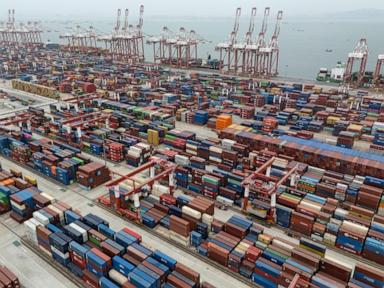
The U.S. Treasury experienced a significant increase in revenue during the previous year, largely due to import taxes imposed by the Trump administration. These tariffs, described as double-digit, were applied to goods originating from nearly every country globally. The recent Supreme Court decision has effectively dismantled this tariff structure, prompting the Trump administration to actively work on rebuilding the system. This move indicates a strong intent to re-establish the previous trade policy and its associated revenue streams. The administration's efforts focus on finding ways to reinstate the tariffs that were previously in place, highlighting the economic impact and the government's reliance on this revenue.
The U.S. Treasury's reliance on import tariffs as a revenue source, particularly during the Trump administration, highlights a fiscal strategy that can be vulnerable to legal challenges and international trade dynamics. The Supreme Court's decision to dismantle this tariff wall suggests a potential conflict between executive trade policy and established legal frameworks or international agreements. The administration's subsequent race to rebuild this revenue stream underscores the economic implications of such trade policies and the challenges of implementing protectionist measures in a globally interconnected economy. Future administrations may need to consider more stable and diversified revenue models that are less susceptible to judicial review or geopolitical shifts, while also balancing domestic economic interests with international trade obligations.
AI-generated to prompt reflection — not editorial opinion, not advice, not a statement of fact. How this works.