Trump administration sought to identify leakers after Air Force One security concerns surfaced
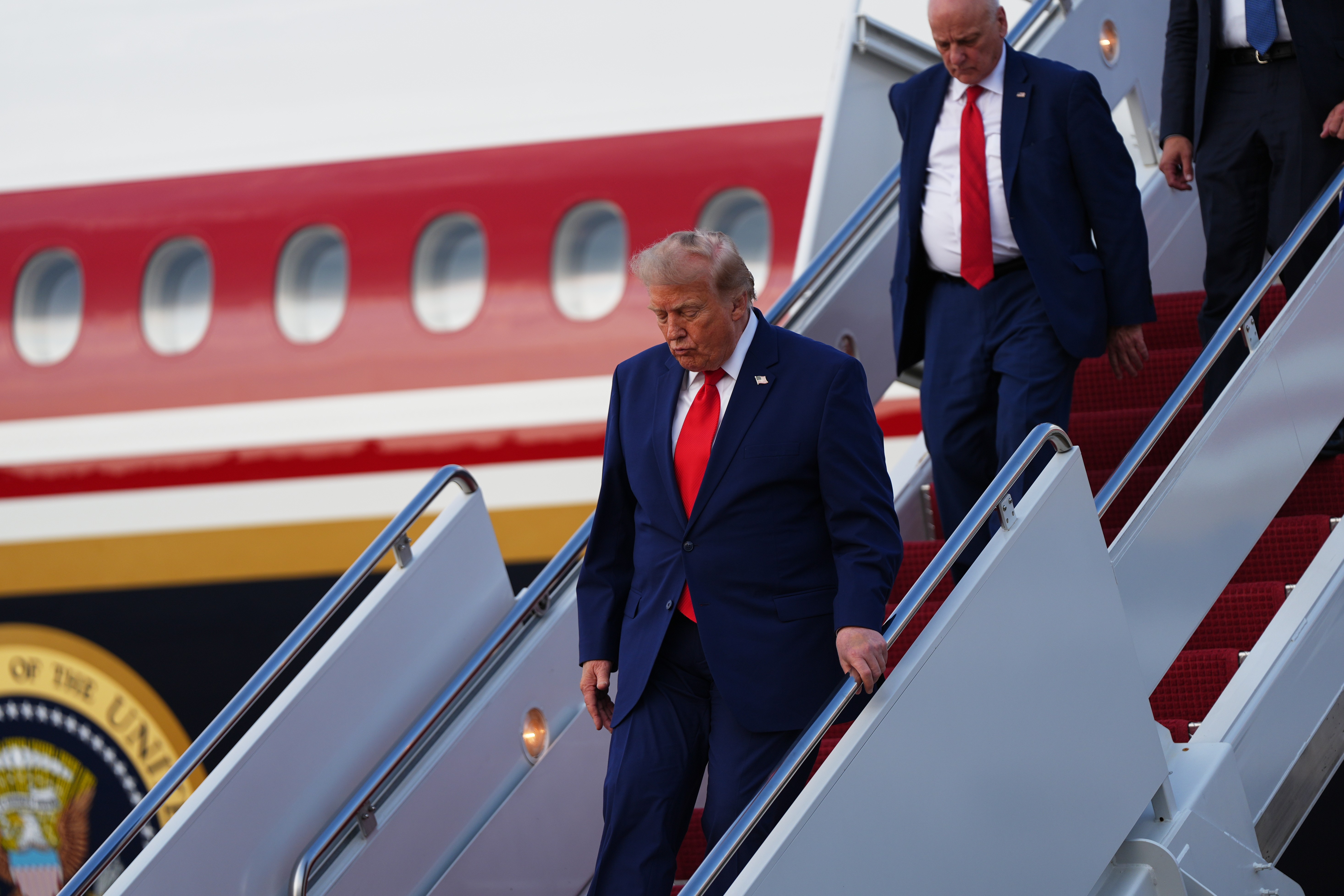
During a trip to Turkey earlier this month, President Donald Trump used an older Air Force One aircraft instead of the recently acquired Boeing 747-800, reportedly donated by Qatar. While Trump cited "old times" for the change, the New York Times later reported that the newer aircraft lacked crucial security features, such as missile defense systems, making it unsuitable for flights over Turkey amid U.S. tensions with Iran. The Secret Service allegedly advised against using the new plane due to these security deficiencies. In response to the New York Times report, the Trump administration reportedly took aggressive steps to identify the anonymous sources within the Secret Service. This included issuing subpoenas to the journalists involved and demanding that phone companies reveal call records of the reporters and their families, actions widely seen as an infringement on press freedom and source confidentiality. The administration did not officially confirm the security concerns but later announced that the new Air Force One would undergo approximately one month of "upgrades and improvements," during which the president would use the older aircraft. The donated Boeing 747-800, designated VC-25B Bridge, was intended as a temporary presidential aircraft until new models, ordered by Trump during his first term and expected around 2028, are delivered. The older VC-25A models, based on the 747-200B, have been in service since 1990 and are equipped with defense systems.
The incident highlights a tension between presidential security requirements and the need for transparency in government operations. The administration's reported actions to identify journalists' sources, while framed as a national security imperative, raise concerns about the chilling effect on investigative reporting and the public's right to information. This situation underscores the complex interplay between executive power, media scrutiny, and the foundational principles of a free press, particularly in an era where information flow is increasingly scrutinized and weaponized. Future administrations may face similar dilemmas, balancing the imperative to protect classified information with the public's expectation of accountability and open governance, especially concerning the security and acquisition of high-value government assets.
AI-generated to prompt reflection — not editorial opinion, not advice, not a statement of fact. How this works.