Trump Administration Targets Birth Tourism After Supreme Court Setback
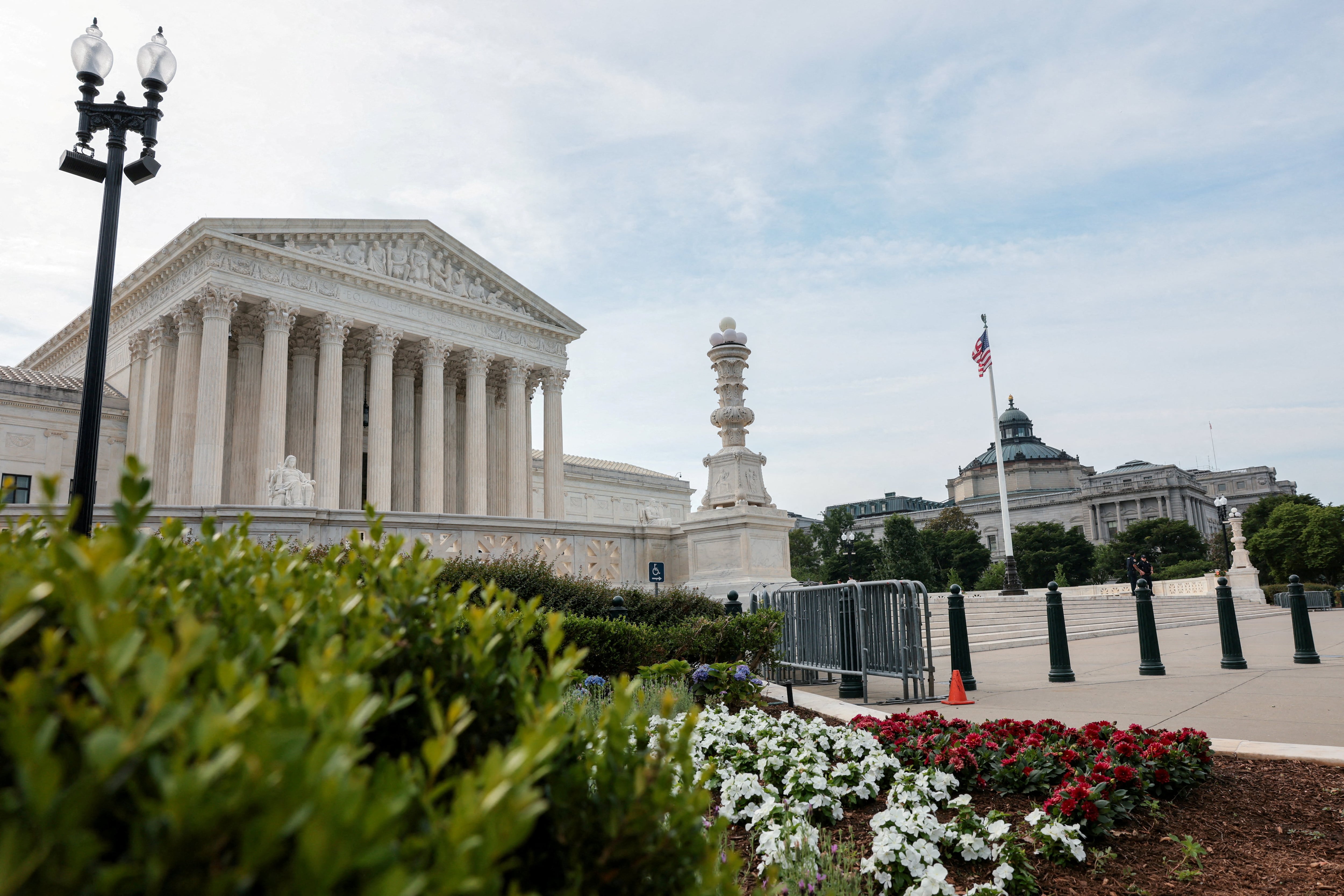
Following a setback in the Supreme Court, the Trump administration is prioritizing efforts to curb 'birth tourism.' The Republican administration aims to tighten controls on pregnant women seeking to enter the United States. This policy targets individuals who come to the U.S. primarily to give birth, with the intention of obtaining U.S. citizenship for their children. The administration views this practice as a way to exploit immigration laws. The Supreme Court's decision, while not directly related to birth tourism, may have influenced the administration's renewed focus on this issue. The move signals a continued emphasis on stricter immigration enforcement and border security. The government is exploring new regulatory measures to deter such practices. This approach reflects a broader strategy to limit perceived abuses of the U.S. immigration system. The ultimate goal is to prevent non-citizens from using birthright citizenship as a means of entry.
The Trump administration's intensified focus on 'birth tourism' reflects a strategic response to perceived loopholes in immigration law, aiming to deter non-citizens from entering the U.S. solely for the purpose of childbirth. This policy shift, occurring after a Supreme Court setback, highlights the administration's commitment to enforcing its immigration agenda through regulatory means. From a systems perspective, the administration is attempting to address the incentive structures that encourage such travel, balancing national sovereignty and border control with humanitarian considerations. The long-term implications may involve increased scrutiny at ports of entry and potential legal challenges to the new measures, prompting a re-evaluation of birthright citizenship principles in the context of global migration patterns and evolving international relations.
AI-generated to prompt reflection — not editorial opinion, not advice, not a statement of fact. How this works.