Trump Administration to Shorten Visas for Chinese Journalists in US
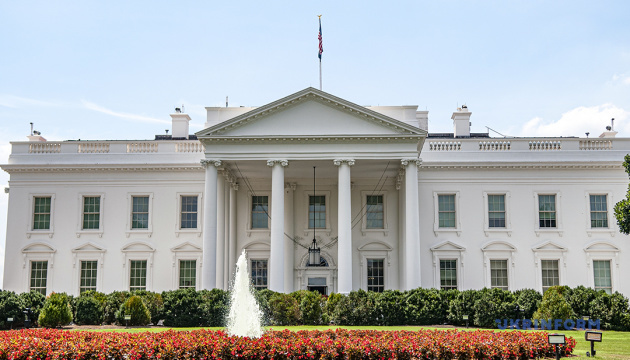
The Trump administration has announced plans to reduce the visa validity period for Chinese journalists working in the United States. This move has sparked concerns about a potential new round of reciprocal restrictions between the US and China. The decision signals an escalation in tensions between the two global powers, impacting the free flow of information and the operations of media outlets. It raises questions about the future of journalistic access and the broader implications for international relations. The administration's action is viewed by some as a response to perceived restrictions on American journalists in China. This development could lead to further diplomatic friction and potentially affect diplomatic exchanges. The exact duration of the shortened visas has not yet been specified, but the announcement itself has generated significant unease. The situation underscores the complex geopolitical landscape and the challenges faced by international journalists.
This policy shift by the Trump administration regarding Chinese journalists' visas may be interpreted through the lens of reciprocal information control and geopolitical leverage. By limiting the tenure of Chinese journalists, the US could be aiming to influence Beijing's treatment of American media personnel operating within China. Such actions, while framed as responses to perceived inequities, can initiate a cycle of escalating restrictions that ultimately harm the free exchange of information globally. The long-term implications involve potential chilling effects on journalism and increased barriers to cross-cultural understanding, particularly within the context of an increasingly interconnected yet strategically divided world. This dynamic highlights the tension between national security interests and the principles of open access and press freedom, a challenge that will likely persist and evolve in the coming decade.
AI-generated to prompt reflection — not editorial opinion, not advice, not a statement of fact. How this works.