Trump Administration Uses Bad Bunny Song in ICE Arrest Video
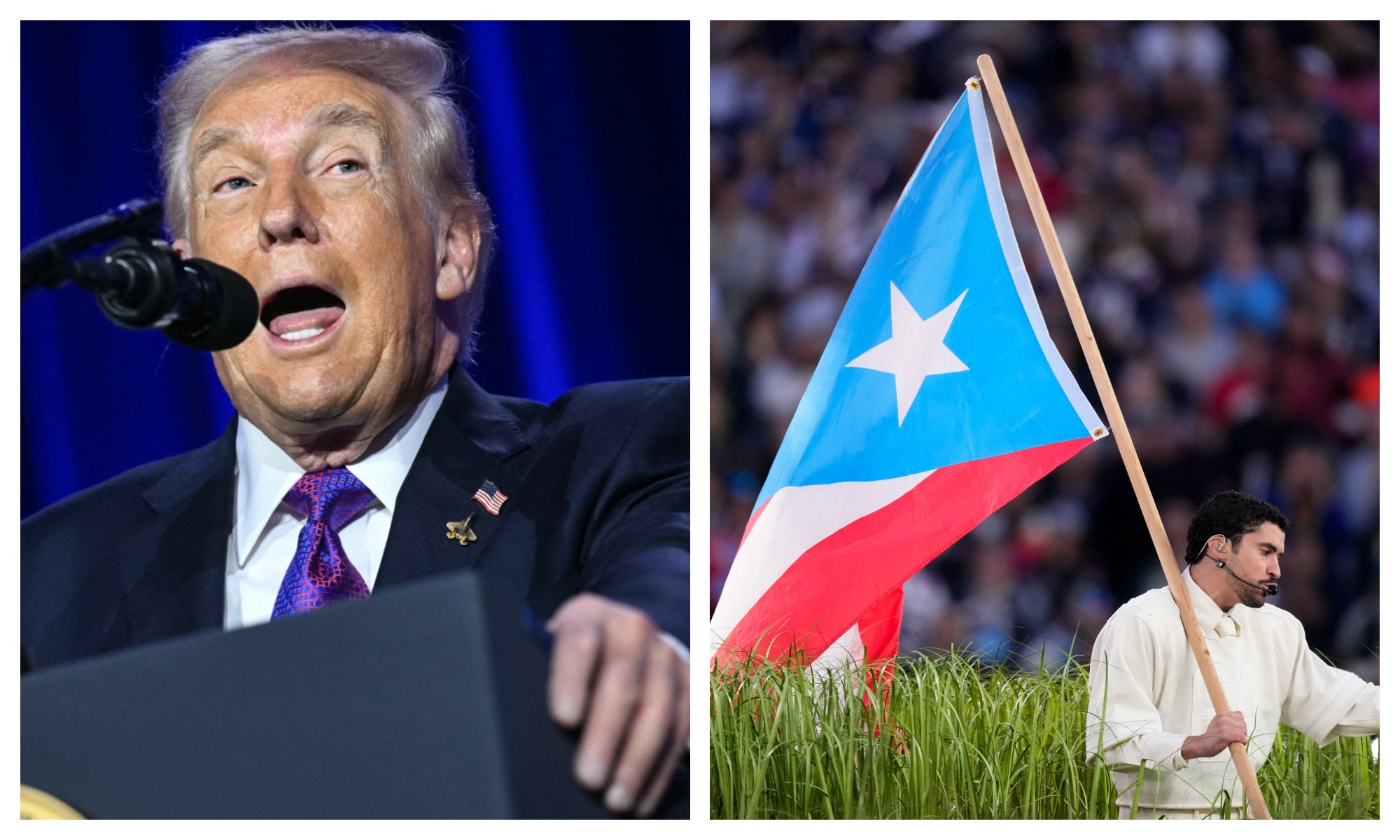
The official White House TikTok account posted a video featuring deportations conducted by U.S. Immigration and Customs Enforcement (ICE) with a song by Bad Bunny as the soundtrack. The video, published on Friday, October 31st, uses the introduction from the song "La MuDANZA" from the artist's latest album. In this segment, Puerto Rican artist Bad Bunny says, "Applause for mom and dad because they really nailed it." The video modifies this phrase to call for applause for President Donald Trump. Following this, short clips of ICE detentions are shown.
Bad Bunny has publicly expressed his opposition to ICE and the Republican administration's immigration policies. Earlier this year at the Grammy Awards, where he won three awards, he stated on stage, "Out, Ice." He also performed at the Super Bowl, with his performance featuring symbolism and messages about Latin American culture. President Trump criticized the Super Bowl show without naming the artist, calling it a "mess." He posted on social media that the performance was "absolutely terrible, one of the worst of all time! It makes no sense, it's an affront to America's greatness and does not represent our standards of success, creativity, or excellence."
The Trump administration's use of Bad Bunny's music in an ICE deportation video highlights a strategic attempt to leverage popular culture for political messaging, even when the artist has publicly opposed the administration's policies. This tactic can be seen as an effort to associate the administration's actions with trending cultural elements, potentially appealing to a broader audience. However, it also risks alienating segments of that audience who identify with the artist's stance, creating a potential disconnect between the intended message and its reception. The juxtaposition of the artist's pro-immigrant sentiments with images of deportations raises questions about the administration's understanding of cultural context and its approach to immigration discourse in the digital age. Future administrations may need to navigate similar challenges in balancing cultural relevance with policy communication, considering the potential for backlash when cultural appropriation is perceived.
AI-generated to prompt reflection — not editorial opinion, not advice, not a statement of fact. How this works.