Trump Again Entangled in Iran Conflict with No Clear Way Out
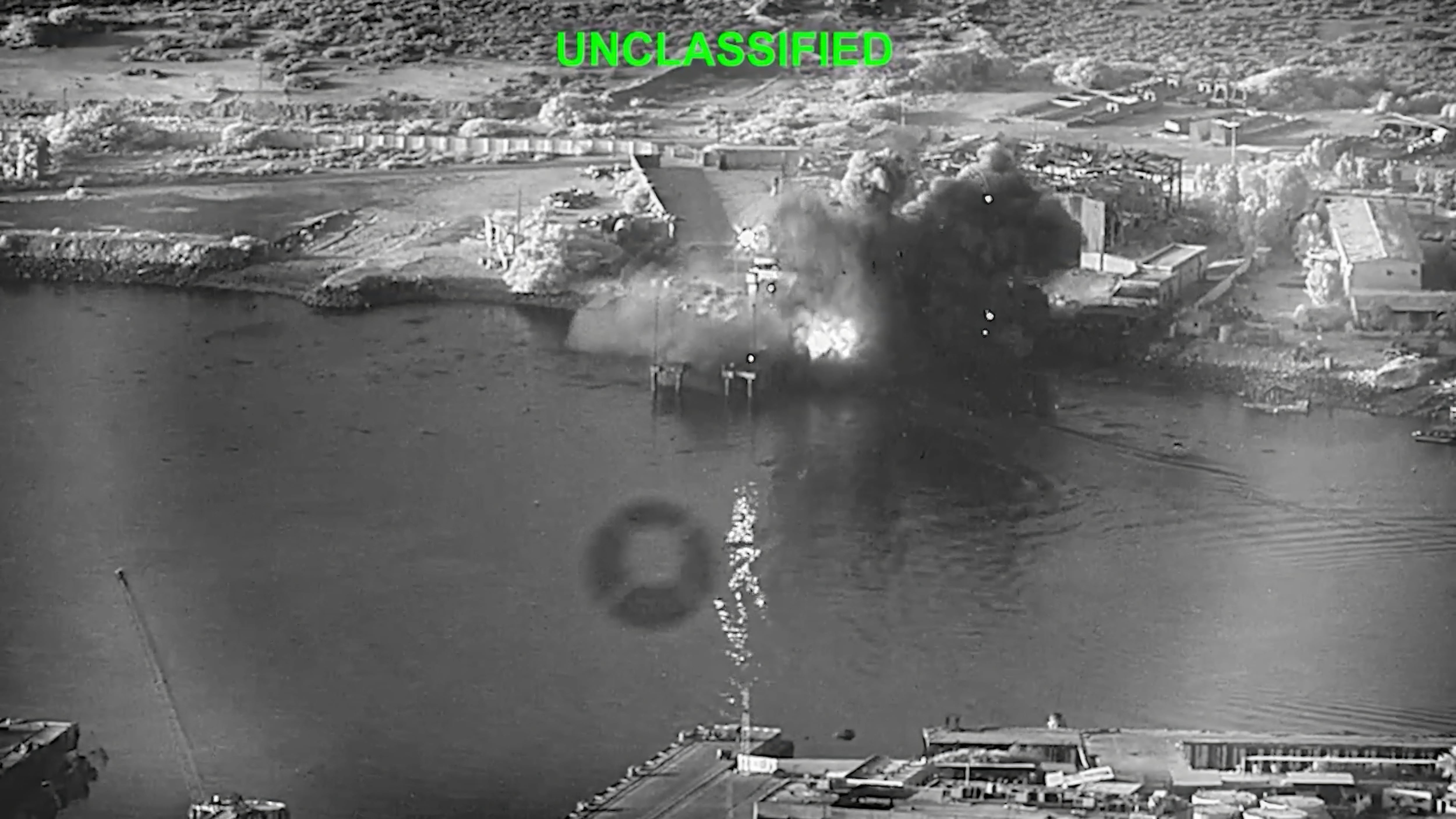
The Islamic Republic's strategy of exhausting U.S. President Trump's patience appears to be succeeding once again. In this second phase of engagement, the options for applying pressure on Tehran are uncertain. This situation highlights a recurring challenge in U.S.-Iran relations, where diplomatic or military maneuvers often lead to prolonged standoffs. The effectiveness of sanctions and other forms of economic pressure has been a subject of ongoing debate, with Iran demonstrating resilience and adaptability in navigating international isolation. The current phase suggests a potential for escalation or a prolonged period of tension, as neither side appears willing to concede significantly. The lack of a clear exit strategy for the U.S. raises concerns about long-term regional stability and the potential for unintended consequences. This dynamic underscores the complexities of geopolitical maneuvering in the Middle East, where historical grievances and competing interests contribute to persistent instability. The administration's approach seems to be met with a strategic patience from Iran, which leverages the U.S. political cycle and decision-making processes to its advantage.
The strategic interaction between the U.S. and Iran appears to be characterized by a cycle of pressure and resilience, where Iran's approach of enduring external pressure may be designed to outlast U.S. political resolve. This dynamic raises questions about the efficacy of sustained punitive measures without a clear diplomatic off-ramp, potentially leading to prolonged geopolitical friction. From a systems perspective, the incentive structures for both nations may favor a protracted stalemate over immediate de-escalation. The challenge for U.S. foreign policy lies in developing strategies that account for the long-term adaptability of adversaries and the inherent limitations of coercive diplomacy in complex regional environments. Future policy considerations might explore alternative frameworks that balance deterrence with avenues for dialogue, aiming to break cycles of strategic impasse.
AI-generated to prompt reflection — not editorial opinion, not advice, not a statement of fact. How this works.