Trump Agrees to Halt Iran Strikes if Deal Reached Quickly
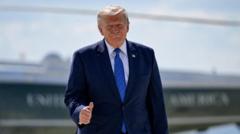
U.S. President Donald Trump has indicated he would agree to cancel planned strikes against Iran, provided that a deal could be reached swiftly. This announcement comes amid media reports suggesting that Trump was preparing to launch a new round of significant retaliatory strikes against Iran over the weekend. The specific details of the potential deal or the exact nature of the planned strikes were not elaborated upon in the initial reports. This development signals a potential de-escalation of tensions between the two nations, contingent on rapid diplomatic progress. The situation remains fluid, with further developments anticipated regarding the proposed negotiations and the ongoing military posture. The president's statement suggests a willingness to pause military action in favor of a diplomatic resolution, but emphasizes the urgency required for such an agreement. The international community will be closely monitoring the unfolding events and the potential for a breakthrough in U.S.-Iran relations.
The U.S. president's conditional halt on military action against Iran highlights a dynamic where diplomatic objectives are being pursued through the leverage of potential military force. This approach, often termed "coercive diplomacy," seeks to compel adversaries toward negotiation by demonstrating a readiness to escalate, while simultaneously offering an off-ramp through a swift agreement. The effectiveness of such a strategy hinges on the perceived credibility of both the threat and the offer, and the willingness of the opposing party to engage under duress. Future geopolitical stability may depend on whether such brinkmanship leads to sustainable resolutions or merely temporary pauses in conflict, particularly in regions susceptible to power vacuums and proxy engagements. The long-term implications for regional security architectures and international norms around the use of force will be shaped by the outcomes of these high-stakes negotiations.
AI-generated to prompt reflection — not editorial opinion, not advice, not a statement of fact. How this works.