Trump Alleges 2020 Election Fraud by China in TV Address
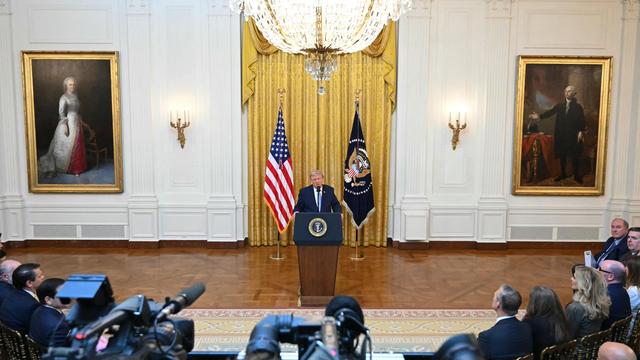
In a recent televised address to the nation, former U.S. President Donald Trump accused China of manipulating the 2020 presidential election. Trump reiterated claims of widespread fraud, asserting that Chinese interference significantly impacted the election outcome. This address, delivered to a national audience, marks a continuation of Trump's persistent challenges to the legitimacy of the 2020 election results. The former president's continued focus on these allegations, despite numerous court rulings and investigations finding no evidence of widespread fraud, raises questions about his current political strategy. Analysts suggest that these accusations may reflect a perceived weakness in his current position, as he seeks to rally support and maintain relevance within the political landscape. The speech did not introduce new evidence but rather rehashed previous claims.
Donald Trump's repeated accusations of Chinese interference in the 2020 U.S. election, presented in a national address, warrant examination through the lens of political strategy and information dissemination. Such claims, particularly when lacking substantiation through established legal or investigative channels, can serve to mobilize a specific voter base while potentially eroding trust in democratic processes for others. The framing of these allegations as indicative of presidential weakness suggests a dynamic where persistent challenges to electoral integrity may be employed as a tactic to deflect from other political pressures or to galvanize support through an appeal to grievance. In the evolving information environment, the longevity and repetition of such narratives highlight the challenges in establishing factual consensus and the potential for political discourse to be shaped by unsubstantiated claims, impacting public perception and future electoral dynamics.
AI-generated to prompt reflection — not editorial opinion, not advice, not a statement of fact. How this works.