Trump alleges rampant non-citizen voting; data suggests otherwise
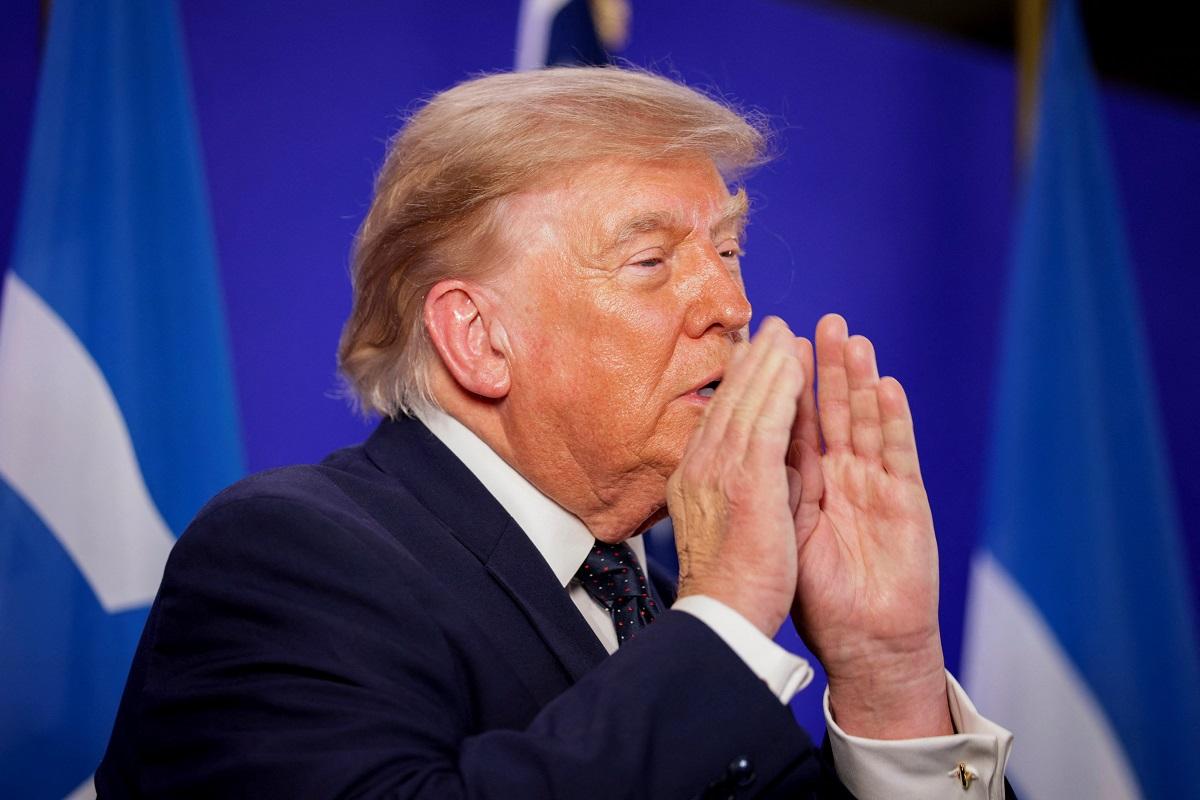
Former US President Donald Trump has asserted that non-citizens are extensively voting in American elections, characterizing the United States as a significant site of electoral fraud. However, Trump's claims have been met with a lack of substantial evidence to support the allegations of widespread fraudulent voting practices. Despite his strong pronouncements, the data available does not corroborate the notion that non-citizen voting is a prevalent issue. The former president has repeatedly voiced concerns about election integrity, often focusing on the potential for non-citizens to cast ballots. These assertions have been a recurring theme in his public statements and political discourse. Despite the emphasis placed on this issue by Trump, official investigations and analyses have generally found limited instances of non-citizen voting. The narrative presented by Trump contrasts sharply with findings from various election integrity studies and government reports. The focus on non-citizen voting as a major driver of fraud has been questioned by numerous experts and fact-checkers. The available evidence does not support the claim that this is a rampant problem affecting election outcomes.
The assertion of widespread non-citizen voting by former President Trump highlights a recurring tension between political rhetoric and empirical evidence in electoral discourse. Analyzing this through the lens of governance and public trust, such claims, if unsubstantiated, can erode confidence in democratic processes. From a systems perspective, robust election administration relies on clear legal frameworks, verifiable registration processes, and transparent vote counting, all designed to mitigate fraud. When allegations of fraud are made without corresponding data, it raises questions about the incentives driving such claims—whether they aim to mobilize a base, delegitimize opponents, or address genuine, albeit perhaps isolated, vulnerabilities. In the context of the evolving digital landscape and potential for misinformation, understanding the interplay between political messaging and factual verification is crucial for maintaining a healthy democracy over the next decade. The challenge lies in balancing the need for vigilance against potential threats with the imperative to avoid baseless accusations that undermine public faith in institutions.
AI-generated to prompt reflection — not editorial opinion, not advice, not a statement of fact. How this works.