Trump Alleges Unverified Foreign Interference in 2020 Election, Democrats Warn of Midterm Smokescreen
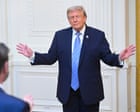
During a 25-minute televised address, U.S. President Donald Trump asserted that China interfered in his 2020 election defeat, claiming the electoral system is "catastrophically" unfair and vulnerable to foreign influence. These allegations remain unverified. Opponents, including Democrats, expressed concern that Trump's speech was intended to sow confusion, spread misinformation, and potentially challenge the legitimacy of the upcoming midterm elections. Analysts suggest this strategy aims to flood the information space and obscure the truth, rather than presenting concrete evidence. Major U.S. television networks were divided on broadcasting the speech live; CNN, ABC, and NBC opted not to air it, while CBS, Fox News, and MS Now broadcast significant portions. Separately, Senator Marco Rubio delivered remarks criticizing leftists, describing them as "enemies of civilization" and a "poisonous resentment cloaked in the language of equality and justice liberation."
This event highlights a recurring tension between political rhetoric and verifiable fact, particularly concerning electoral integrity. The strategy of broadly alleging foreign interference without specific, corroborated evidence can erode public trust in democratic processes. Such tactics may be employed to preemptively discredit potential unfavorable outcomes or to mobilize a specific voter base. The differing broadcast decisions by U.S. networks reflect the complex media landscape and the challenges of reporting on unsubstantiated claims from public figures. Looking ahead, the increasing sophistication of information operations, both foreign and domestic, poses a significant challenge to maintaining informed public discourse and ensuring the resilience of electoral systems against manipulation.
AI-generated to prompt reflection — not editorial opinion, not advice, not a statement of fact. How this works.