Trump and Infantino's Flying World Cup Circus
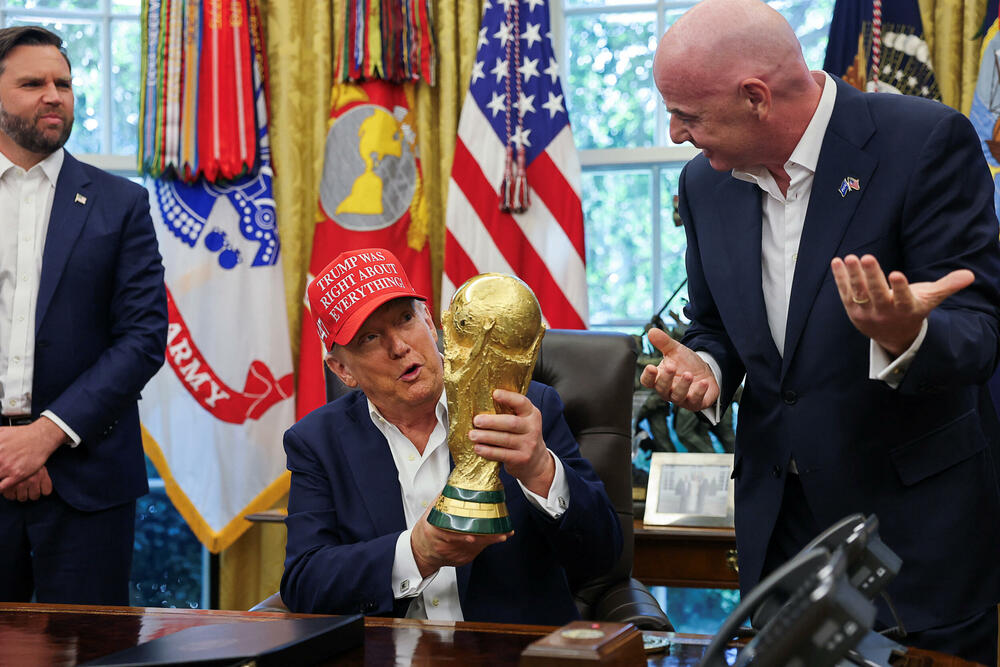
The World Cup is being overshadowed by controversies, including excessive refereeing decisions, the treatment of the Iranian national team, and the rescinding of red cards. When the leader of the world's most powerful nation aligns with the compliant head of global football, the result is a World Cup that will be remembered for reasons other than the performances of stars like Messi, Haaland, and Mbappé. The article suggests that political influence is detracting from the sporting spectacle. The current World Cup is being framed as a spectacle driven by external forces rather than purely athletic achievement. This narrative implies a departure from traditional footballing values, where the game itself should be the primary focus.
The interplay between political figures and international sports organizations, as suggested by the article, raises questions about governance and influence in global events. When the leadership of a major nation and a prominent sports body appear aligned, it can create perceptions of undue influence, potentially impacting the integrity and neutrality of the competition. This dynamic highlights the challenge of maintaining a clear separation between political agendas and sporting ideals. Future sporting events may need to implement stronger safeguards to ensure that athletic merit remains the paramount factor, free from external political pressures. The long-term implications involve ensuring public trust in the fairness and impartiality of major international tournaments.
AI-generated to prompt reflection — not editorial opinion, not advice, not a statement of fact. How this works.