Trump and Republicans Warn of Communism Threat Ahead of 2026 Elections
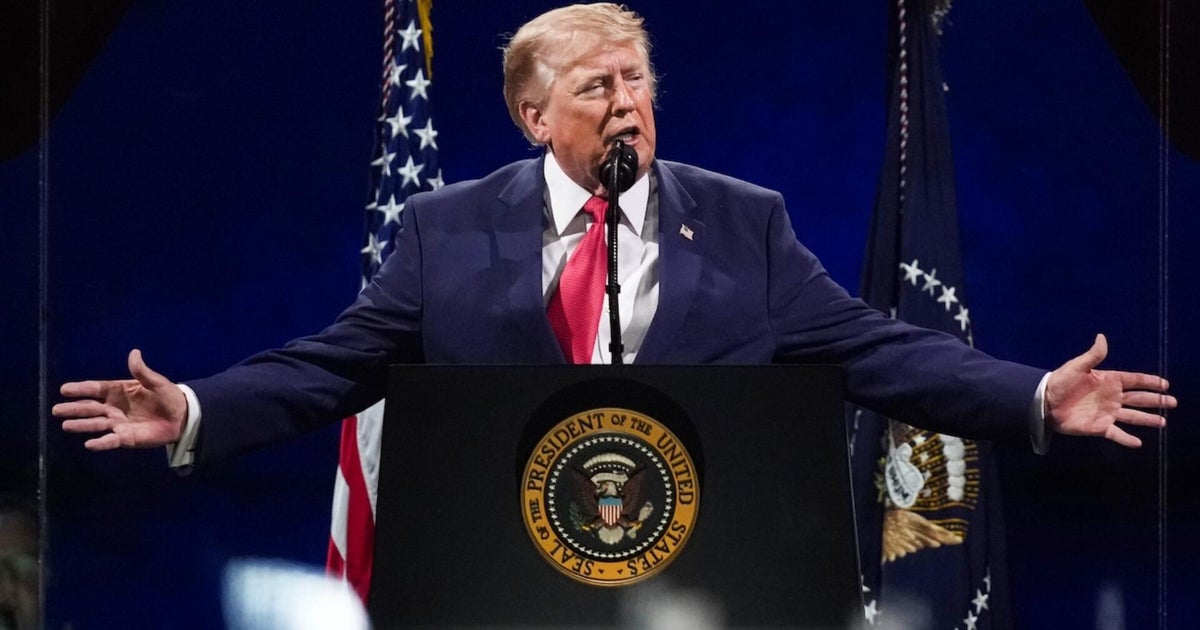
President Trump and other prominent Republican figures are raising concerns about what they perceive as a growing communist threat within the United States. This rhetoric is emerging as the nation approaches the 2026 election cycle. Political strategists Hyma Moore and Harrison Fields discussed these developments on CBS News. Their commentary likely focused on the implications of this messaging for the upcoming electoral landscape and the broader political discourse. The Republican party's emphasis on this theme suggests a strategic effort to mobilize voters around specific ideological concerns. The involvement of political strategists indicates a focus on the tactical and messaging aspects of this campaign. Further details on the specific arguments and evidence presented by Trump and other Republicans, as well as the analysis provided by Moore and Fields, would be necessary for a complete understanding of the situation.
The invocation of 'communism' as a threat by political figures, particularly in the lead-up to elections, often serves as a potent rhetorical device to mobilize a specific voter base and frame political opponents. This strategy taps into historical anxieties and ideological divisions within the electorate. From a systems perspective, such framing can simplify complex socio-economic issues into a binary ideological conflict, potentially overshadowing nuanced policy debates. The effectiveness of this messaging hinges on voter perception and the extent to which it resonates with concerns about economic inequality, government overreach, or cultural shifts. Looking ahead, the long-term impact of such ideological framing on democratic discourse and policy development warrants consideration, as it may influence the types of solutions proposed and the willingness to engage in bipartisan cooperation.
AI-generated to prompt reflection — not editorial opinion, not advice, not a statement of fact. How this works.