Trump Announces Double-Digit Tariffs on 60 Countries
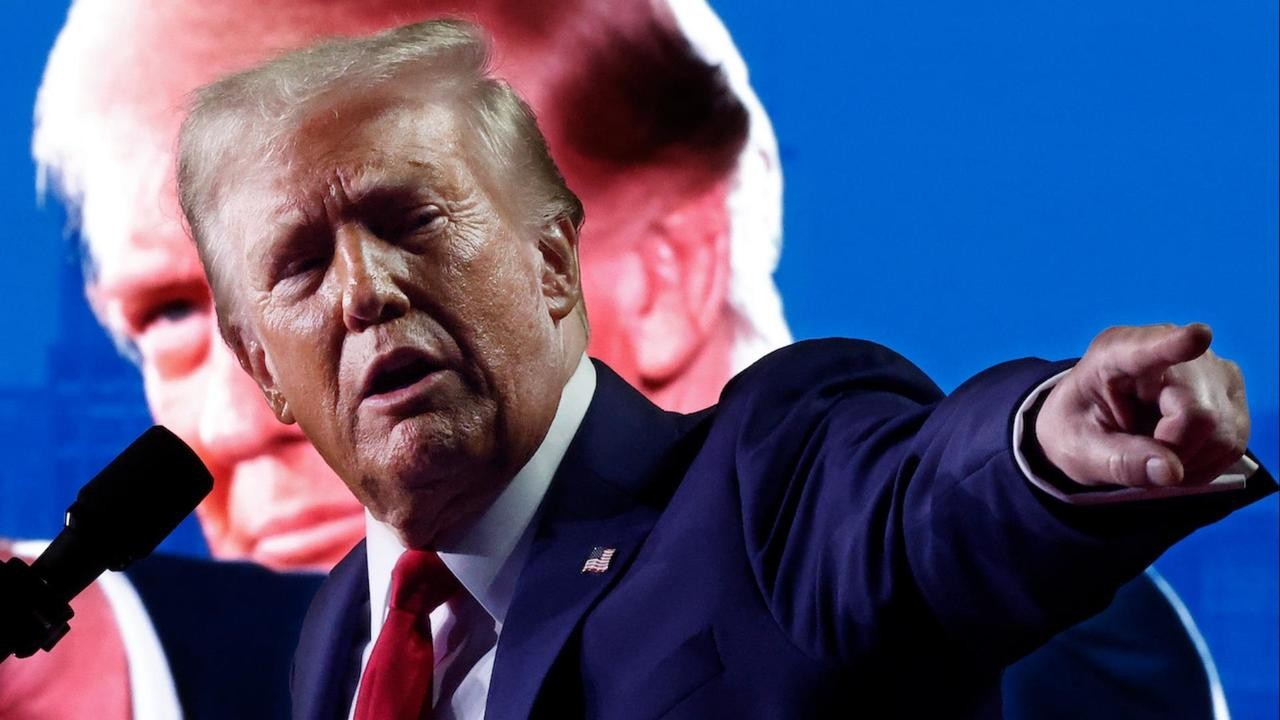
Former U.S. President Donald Trump has announced that his administration implemented double-digit tariffs on goods from 60 different countries. This action was taken during his presidency, aiming to reshape international trade relationships and protect American industries. The specific details of which countries were targeted and the exact percentage of the tariffs were not provided in the initial statement. However, the move signifies a significant shift in U.S. trade policy under Trump's leadership. The objective was reportedly to address trade imbalances and encourage domestic manufacturing. This policy approach often led to retaliatory measures from other nations. The long-term economic impacts of these tariffs were a subject of considerable debate during his term. The announcement suggests a continuation of his "America First" economic agenda.
The imposition of broad, double-digit tariffs by the Trump administration on 60 countries reflects a protectionist trade strategy. This approach, often termed "America First," prioritizes domestic economic interests by increasing the cost of imported goods, thereby aiming to boost local production and reduce trade deficits. However, such policies can lead to retaliatory tariffs from affected nations, potentially disrupting global supply chains and increasing consumer prices. From a systemic perspective, this strategy challenges the established norms of multilateral trade agreements and could foster a more fragmented global economic order. The long-term consequences may include shifts in comparative advantage, altered investment patterns, and a reevaluation of international economic cooperation frameworks as nations seek to mitigate such unilateral trade actions.
AI-generated to prompt reflection — not editorial opinion, not advice, not a statement of fact. How this works.