Trump announces reimposed Iran blockade and new toll for other nations
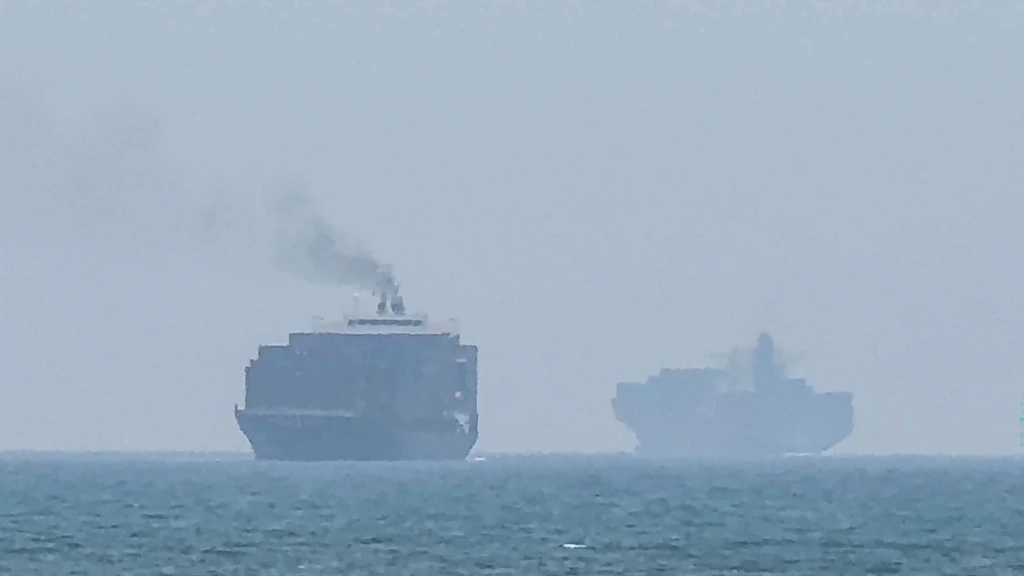
U.S. President Trump has declared the reestablishment of a maritime blockade against Iran. However, he stated that other countries will be permitted to transit the Strait of Hormuz, provided they pay a toll to the United States. Trump announced this policy on Truth Social, asserting that the U.S. will now be recognized as the "protector of the Strait of Hormuz." This protection comes with a fee: the U.S. is demanding a payment equivalent to 20 percent of the value of all transported cargo. The stated purpose of this toll is to cover the costs associated with ensuring the security of the vital waterway. Specific details regarding the implementation and collection mechanisms for this toll were not provided by the President. This announcement follows the lifting of a U.S. naval blockade on Iranian ports approximately mid-last month, which occurred after the U.S. and Iran signed a letter of intent.
This policy shift by the U.S. presents a significant geopolitical maneuver, framing maritime security in the Strait of Hormuz as a transactional service. By imposing a toll, the U.S. seeks to monetize its role as a security guarantor, potentially altering established international norms of freedom of navigation. The announcement raises questions about the legal basis for such a toll under international maritime law and the potential for economic friction with nations reliant on this transit route. The stated intention to cover security costs suggests a strategic recalibration of U.S. foreign policy, potentially shifting from direct intervention to a fee-based security provision model. This approach could create new dependencies and power dynamics in the region, with long-term implications for global trade and international relations in the coming decade.
AI-generated to prompt reflection — not editorial opinion, not advice, not a statement of fact. How this works.