Trump Appeals $83.3 Million Defamation Verdict to Supreme Court
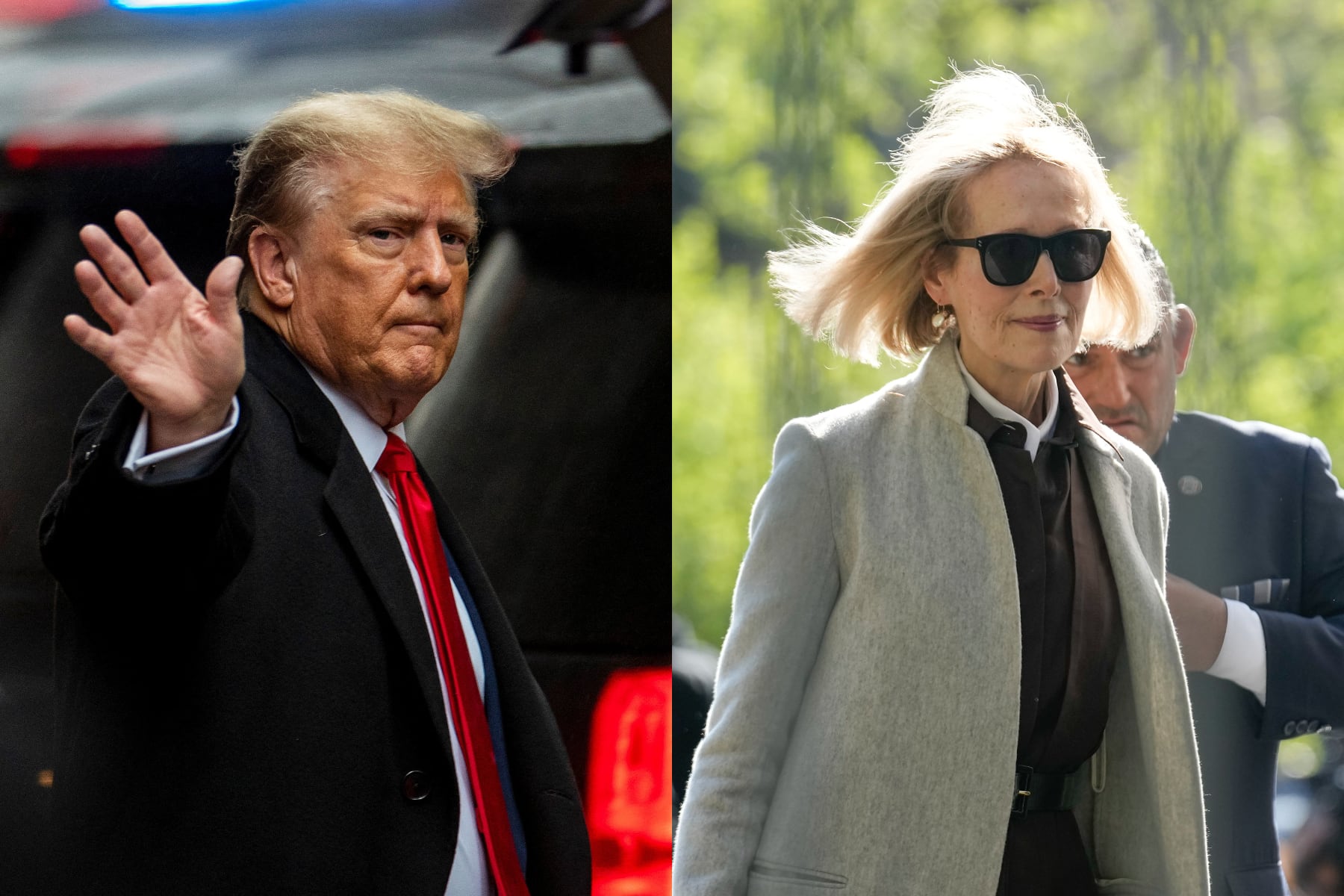
Donald Trump's legal team is seeking to overturn a court ruling that mandates he pay $83.3 million in damages for defamation. The former president's defense argues that the statements leading to the lawsuit were made during his first term in office. Consequently, they contend these remarks should be shielded by presidential immunity.
The case centers on statements made by Trump concerning E. Jean Carroll, a columnist who accused him of sexual assault. A jury found Trump liable for defamation after he repeatedly denied Carroll's allegations and attacked her credibility. The substantial financial penalty was awarded to compensate Carroll for reputational harm and emotional distress.
Trump's appeal to the Supreme Court signifies a significant escalation in his legal battles. The core of his argument hinges on the scope of presidential immunity and whether it extends to statements made while in office, even if those statements are deemed defamatory. The Supreme Court's decision on this matter could have broad implications for the accountability of public officials.
This legal challenge by Donald Trump raises fundamental questions about the boundaries of presidential immunity and its application to public statements made while in office. The core tension lies between the need to protect executive functions from undue harassment and the public's right to recourse against potentially damaging falsehoods. Should the Supreme Court uphold Trump's claim of immunity for statements made during his presidency, it could create a precedent that limits accountability for future presidents. Conversely, a ruling against immunity might empower individuals to pursue legal action more readily against sitting presidents for their public remarks, potentially impacting presidential communication strategies and the executive branch's ability to operate without constant litigation. The economic implications of the $83.3 million judgment, and the potential for its reversal, highlight the significant financial risks associated with public discourse for high-profile figures. This case underscores the evolving legal landscape surrounding defamation in the digital age, where statements can reach vast audiences instantaneously, amplifying both potential harm and the stakes of legal disputes. The outcome will likely influence how public figures, particularly those in political office, navigate their public statements and the legal protections they may or may not possess.
AI-generated to prompt reflection — not editorial opinion, not advice, not a statement of fact. How this works.