Trump Appointees Vote to Ease Historic Site Protections
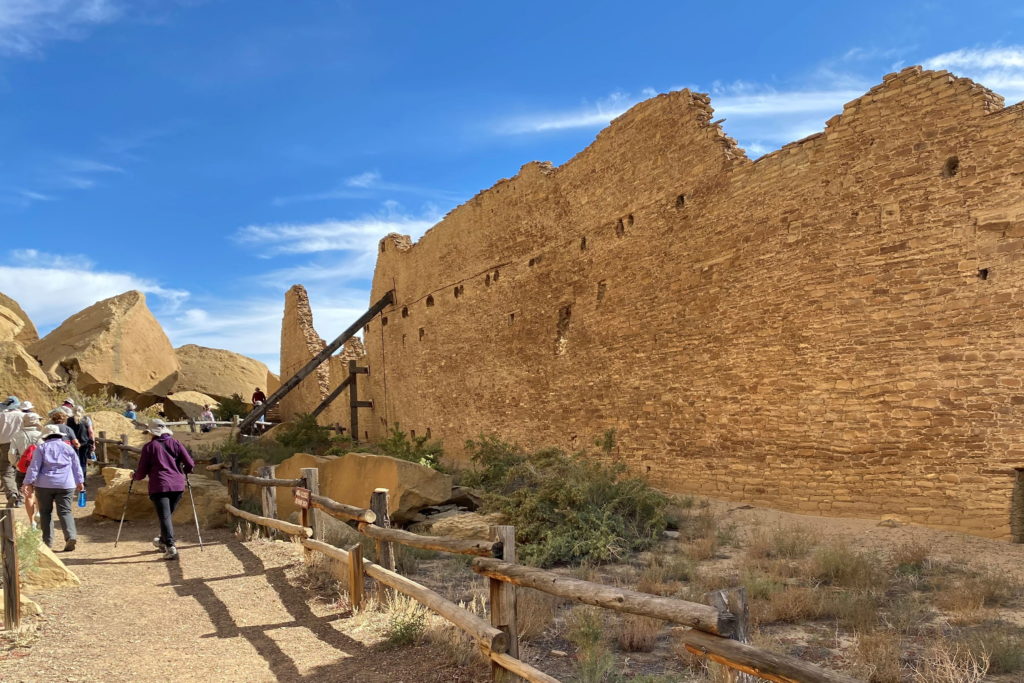
An advisory council, whose members were appointed by former President Donald Trump and are largely seen as his allies, has voted to reduce federal oversight for construction projects that could impact historic sites. This decision has raised significant concerns among preservationists and critics, who fear it will lead to the endangerment of historical and cultural landmarks nationwide. Phillip Kennicott of The Washington Post discussed these developments, highlighting the potential implications for the preservation of national heritage. The vote took place within the framework of an arts and culture series known as CANVAS. The core of the concern lies in the potential for weakened regulations to permit development that could irrevocably damage or destroy sites of historical significance. Critics argue that this move prioritizes development over heritage preservation, potentially setting a precedent for future decisions.
The advisory council's vote to weaken federal oversight on historic sites, particularly given its composition of Trump allies, suggests a potential shift in regulatory priorities. This action may reflect an underlying tension between economic development incentives and the long-term imperative of cultural heritage preservation. From a systems perspective, the council's decision could introduce market dynamics that favor developers by reducing compliance costs and timelines, potentially at the expense of historical integrity. Future governance structures may need to balance these competing interests more robustly, perhaps through enhanced stakeholder consultation or revised criteria for advisory council appointments to ensure broader representation of preservationist values. The long-term impact on the nation's historical landscape will depend on how effectively these new regulations are implemented and whether mechanisms are established to mitigate potential irreversible damage to cultural assets.
AI-generated to prompt reflection — not editorial opinion, not advice, not a statement of fact. How this works.