Trump Approves Civilian Nuclear Deal with Saudi Arabia Amid Regional Tensions
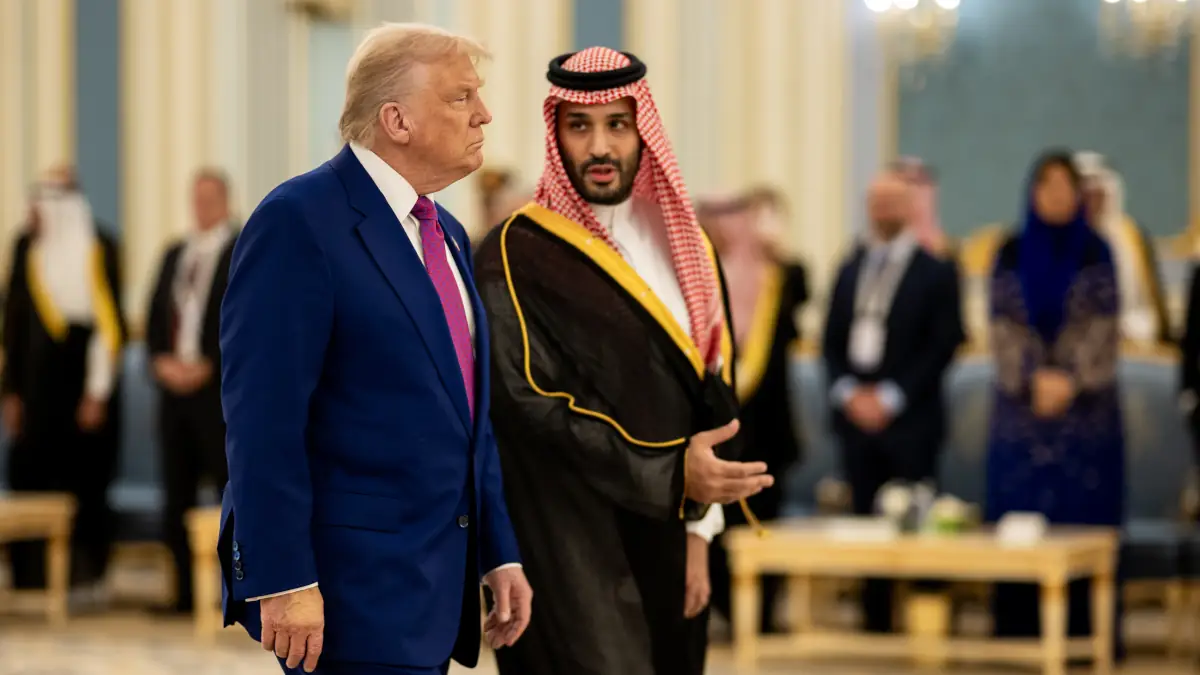
Former U.S. President Donald Trump has approved a civilian nuclear cooperation agreement with Saudi Arabia, according to reports from The Wall Street Journal. The deal, which is expected to be made public on Wednesday, permits Saudi Arabia to enrich uranium on its own soil. This agreement is set to last for thirty years and reportedly lacks enhanced safeguards. The approval comes at a time of heightened regional tensions, particularly between Saudi Arabia and Iran. The specifics of the safeguards, or lack thereof, are a key point of concern regarding the long-term implications of this agreement. The accord allows for the transfer of nuclear technology and materials, which could have significant geopolitical ramifications. The U.S. government's decision to greenlight this deal without what some consider robust oversight is likely to draw international scrutiny. The implications for nuclear non-proliferation efforts globally are also a significant consideration. This development could reshape energy policies and strategic alliances in the Middle East.
The U.S. administration's approval of a thirty-year civilian nuclear cooperation agreement with Saudi Arabia, permitting domestic uranium enrichment, warrants examination through the lens of geopolitical stability and non-proliferation norms. The reported absence of enhanced safeguards raises questions about incentive structures driving such agreements, potentially prioritizing immediate strategic partnerships over long-term global security frameworks. In an era of accelerating technological diffusion and increasing regional power competition, the potential for dual-use technology necessitates robust international oversight mechanisms. This decision may influence future energy policies and international relations in the Middle East, prompting a re-evaluation of the balance between economic cooperation, energy security, and the imperative to prevent nuclear proliferation over the next decade.
AI-generated to prompt reflection — not editorial opinion, not advice, not a statement of fact. How this works.