Trump Approves Deal Allowing Saudi Arabia Potential Uranium Enrichment
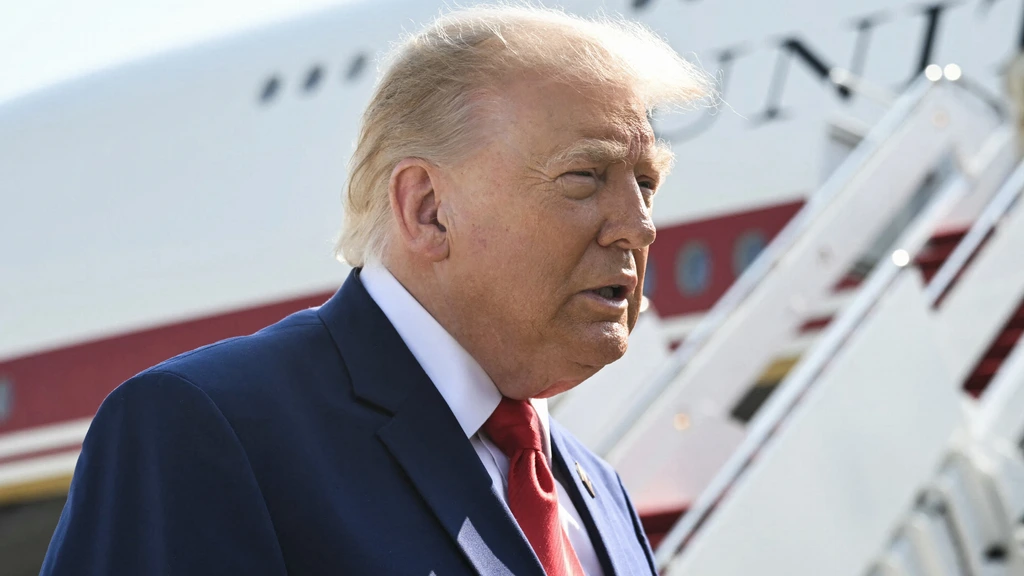
U.S. President Donald Trump has reportedly approved an agreement with Saudi Arabia that would enable the kingdom to develop a civilian nuclear program domestically. According to U.S. government sources cited by CNN and The Wall Street Journal, this deal potentially opens the door for Saudi Arabia to enrich uranium within its own borders. Currently, the country does not operate any nuclear power plants. Both nations are expected to sign the agreement soon, though it still requires official review by the U.S. Congress, where it is anticipated to pass. The accord is projected to last for thirty years, during which American companies will supply technology and expertise for Saudi Arabia's civilian atomic program, primarily intended for energy generation. While the initial phase involves research, the agreement could eventually permit uranium enrichment within Saudi Arabia, possibly in a U.S.-built enrichment facility. This contrasts with a 2009 agreement between the U.S. and the United Arab Emirates, which prohibited domestic uranium enrichment to prevent the UAE from developing nuclear capabilities. Negotiations for a U.S.-supported nuclear program in Saudi Arabia began during Joe Biden's presidency, with conditions including the normalization of relations between Saudi Arabia and Israel. Saudi Arabia currently does not recognize Israel as a sovereign state, and a component of the prior discussions involved Israel granting Palestinians greater self-determination, though insiders suggest this aspect is not part of the current agreement.
This agreement signifies a significant shift in U.S. policy regarding nuclear cooperation with Saudi Arabia, particularly by allowing for domestic uranium enrichment. The decision carries substantial geopolitical implications, potentially altering regional power dynamics and the global non-proliferation landscape. While framed as a civilian energy initiative, the capacity for uranium enrichment inherently raises concerns about dual-use technology and the potential for diversion to weapons programs, a risk that necessitates robust international oversight and verification mechanisms. The long-term stability of such agreements will depend on evolving regional relationships and Saudi Arabia's adherence to international nuclear safeguards, especially in light of the complex diplomatic environment involving Israel and the Palestinian territories, even if these specific issues are reportedly not part of the current deal.
AI-generated to prompt reflection — not editorial opinion, not advice, not a statement of fact. How this works.