Trump at Mount Rushmore: Exceptionalism and a Communist Threat
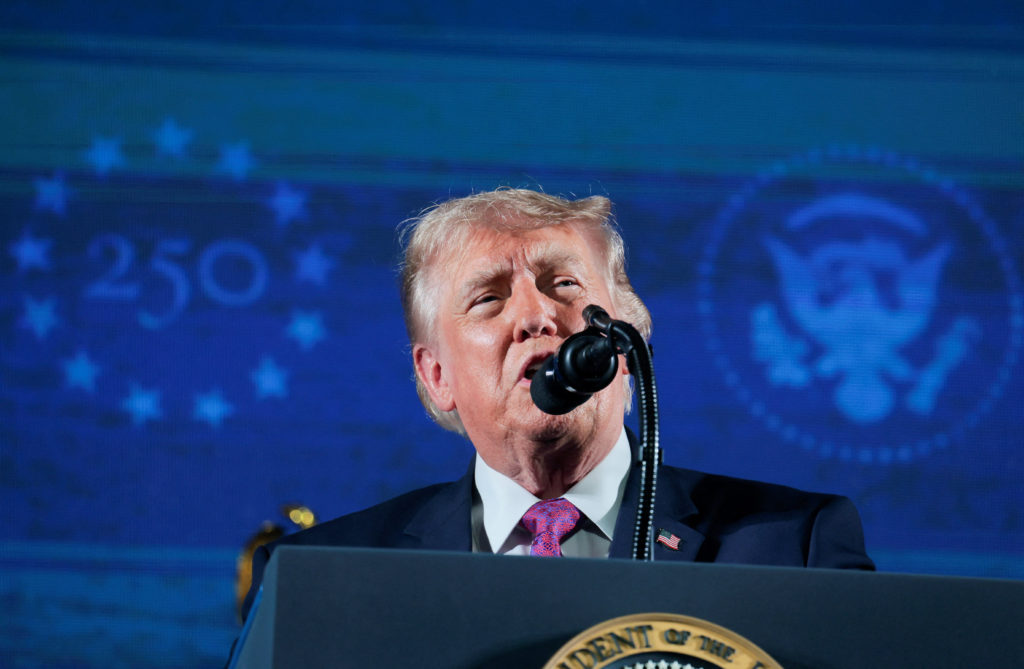
During a speech delivered at Mount Rushmore, a site honoring prominent U.S. presidents, Donald Trump invoked themes of American exceptionalism. His address also included warnings about a perceived communist threat. The rhetoric employed by Trump in this speech closely mirrored language used in his other recent public appearances. The choice of location, a national park dedicated to significant figures in American history, underscored the patriotic and historical context of his remarks.
The speech leverages national symbolism to reinforce a narrative of American distinctiveness and external threats. By framing political opposition as a 'communist threat,' the rhetoric seeks to mobilize a specific base by invoking historical anxieties. The strategic use of Mount Rushmore, a monument to presidential legacy, aims to associate the speaker's platform with foundational American ideals. This approach highlights the ongoing tension between national identity narratives and contemporary political discourse, potentially shaping voter perceptions by drawing on historical parallels and perceived existential dangers.
AI-generated to prompt reflection — not editorial opinion, not advice, not a statement of fact. How this works.