Trump Blames Canada for Wildfire Smoke, Threatens Tariffs Over Pollution Costs
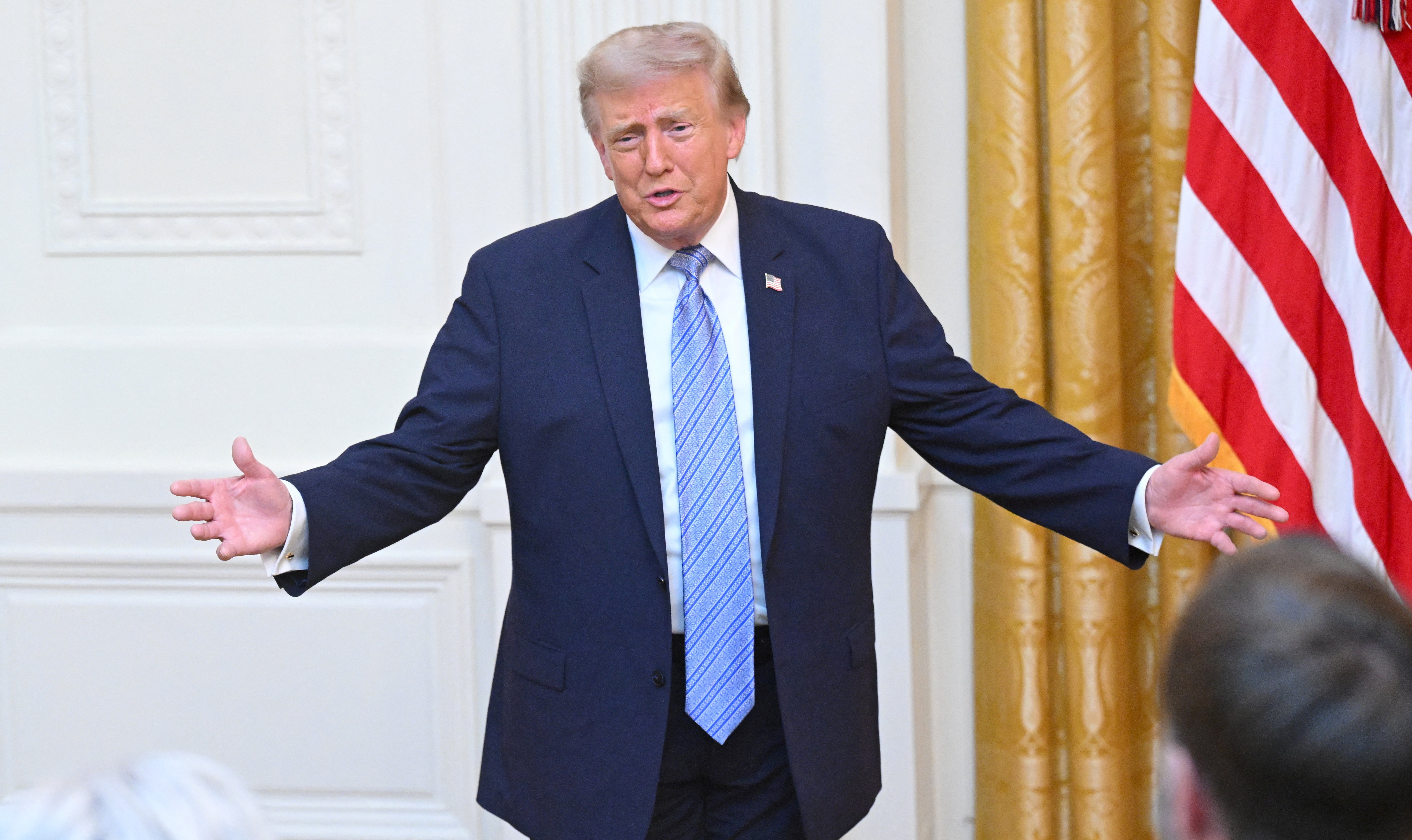
U.S. President Donald Trump has publicly blamed the Canadian government for the ongoing wildfires that have produced thick smoke clouds affecting both countries. In a statement from the White House on Friday, Trump asserted that Canada has neglected its forest preservation for years, leading to costs of "billions of dollars" for the United States. He announced his intention to contact Canadian Prime Minister Mark Carney to discuss Ottawa's strategies for combating the fires. Trump suggested that the cost of this pollution should be added to existing tariffs imposed on Canada. He described the situation as the U.S. being "unnecessarily invaded by dirty, polluted, and unhealthy air, the quality of which is dangerous and totally unacceptable." According to the Canadian Interagency Forest Fire Centre (CIFFC), there are currently 207 out-of-control fires among 897 active blazes. The smoke has severely impacted air quality in Toronto and across the eastern United States, with Detroit, Chicago, and Washington identified as among the world's most polluted cities by IQAir on Friday. While the current fire season is less intense than the record years of 2023 or 2025, the fires have intensified significantly in the past week. As of the latest official figures, approximately 2.8 million hectares have been consumed by fire this year, a substantial increase from nearly 1.6 million hectares reported just the previous Friday.
This situation highlights the complex interplay between environmental events, international relations, and economic policy. President Trump's rhetoric frames the wildfire smoke as a direct consequence of Canadian policy failures, linking it to financial damages and proposing punitive tariffs. This approach shifts blame and seeks financial compensation, potentially overlooking shared environmental responsibilities and the transboundary nature of air pollution. Future diplomatic strategies might benefit from a focus on collaborative climate resilience and shared resource management, rather than unilateral accusations and retaliatory measures. The event underscores the growing challenges of cross-border environmental impacts in an era of climate change, demanding cooperative frameworks for mitigation and adaptation that transcend national borders and political disputes.
AI-generated to prompt reflection — not editorial opinion, not advice, not a statement of fact. How this works.