Trump Border Wall Threatens Arizona's 'Biological Wonderland' Spring
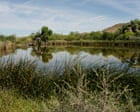
Environmental groups are raising serious concerns about the potential impact of the former Trump administration's border wall project on Quitobaquito Springs, located in southwestern Arizona near the US-Mexico border. This desert oasis, known as A’al Vaipia to the O’odham people, is considered a sacred site and a unique biological habitat. The springs emerge from an aquifer at the base of a hill, flowing through a man-made channel into a pond. Quitobaquito Springs is renowned for its rich biodiversity, supporting rare species of fish and turtles. The O’odham community holds deep cultural and spiritual ties to this location, emphasizing its significance beyond its ecological value. Conservationists fear that the construction and presence of the border wall could disrupt the delicate ecosystem and the natural water flow essential for the survival of its unique flora and fauna. The potential environmental damage and the desecration of a sacred indigenous site have led to widespread alarm among environmental organizations and tribal representatives.
The proposed border wall construction intersects complex environmental and cultural preservation concerns with national security and immigration policy objectives. The potential for infrastructure projects to disrupt fragile ecosystems and impact indigenous sacred sites highlights a systemic tension between development and conservation. Future policy decisions will need to balance border management needs with robust environmental impact assessments and meaningful consultation with affected tribal communities. Considering the long-term implications of such projects on biodiversity and cultural heritage is crucial for sustainable governance and respecting indigenous rights in the coming decade.
AI-generated to prompt reflection — not editorial opinion, not advice, not a statement of fact. How this works.