Trump Calls Iran Strikes Retaliation, Threatens Worse Consequences
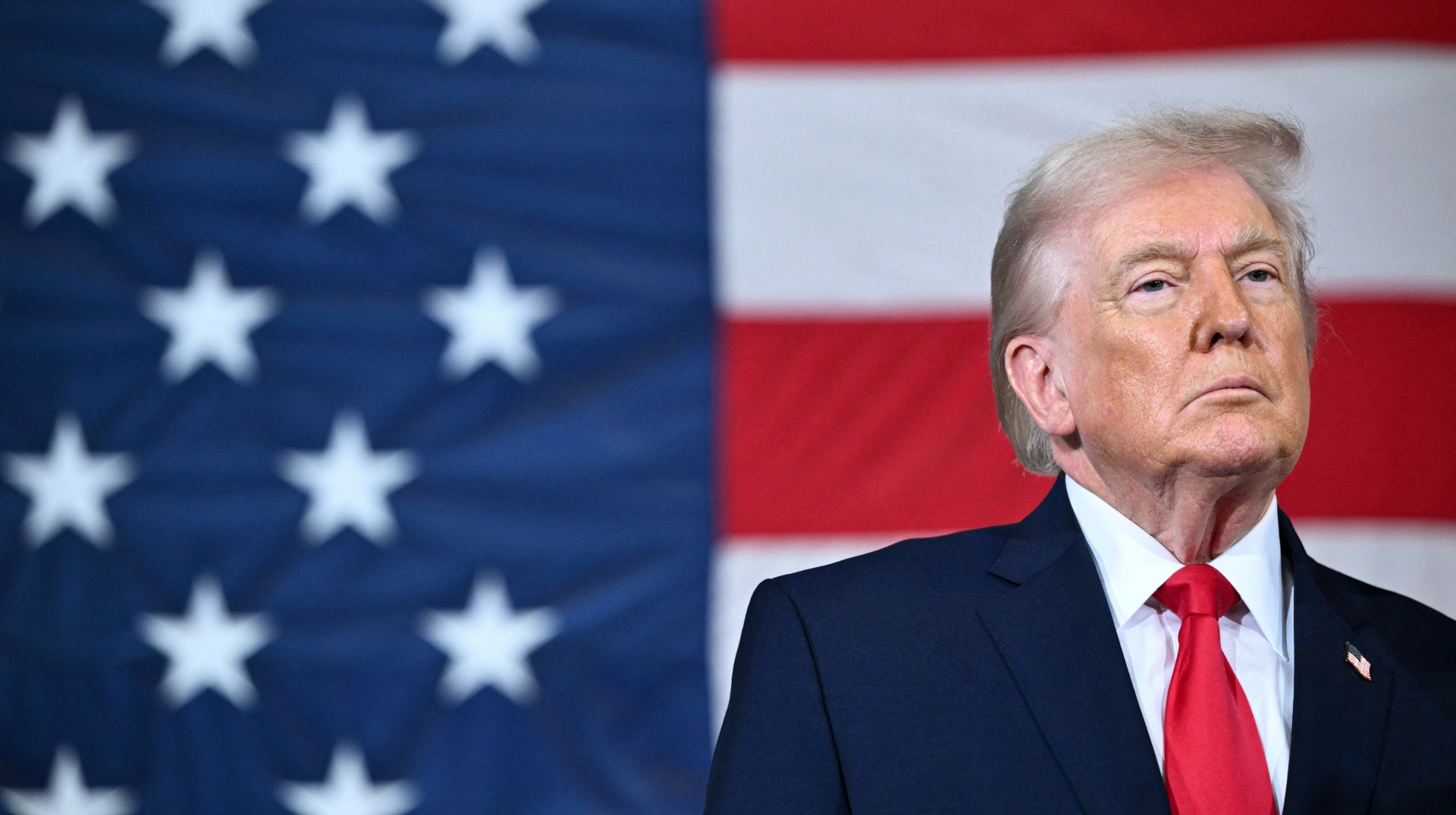
U.S. President Donald Trump stated that recent American strikes against Iran were a direct response to attacks on commercial vessels in the Strait of Hormuz. He warned Tehran that significantly worse consequences would follow if similar incidents were repeated. The president's remarks frame the military actions as a retaliatory measure aimed at deterring future aggression. This escalation signals a heightened tension between the United States and Iran in the critical waterway. The administration's stance emphasizes a firm response to perceived provocations in the region. The potential for further military engagement remains a key concern following these statements.
The U.S. administration's framing of military actions as direct retaliation for maritime attacks in the Strait of Hormuz highlights a strategic approach to deterrence. This posture aims to signal resolve and impose costs on actors perceived as destabilizing regional security. The emphasis on "worse consequences" suggests a calculus of escalating pressure, contingent on future Iranian actions. From a geopolitical perspective, such responses can create cycles of escalation, where each action prompts a counter-action, potentially leading to broader conflict. The long-term implications involve navigating the complex interplay of national security interests, international maritime law, and the risk of miscalculation in a volatile region. Future policy might consider de-escalatory mechanisms alongside deterrent strategies to manage systemic risks.
AI-generated to prompt reflection — not editorial opinion, not advice, not a statement of fact. How this works.