Trump Calls US NATO Support 'Ridiculous' and 'Unilateral'
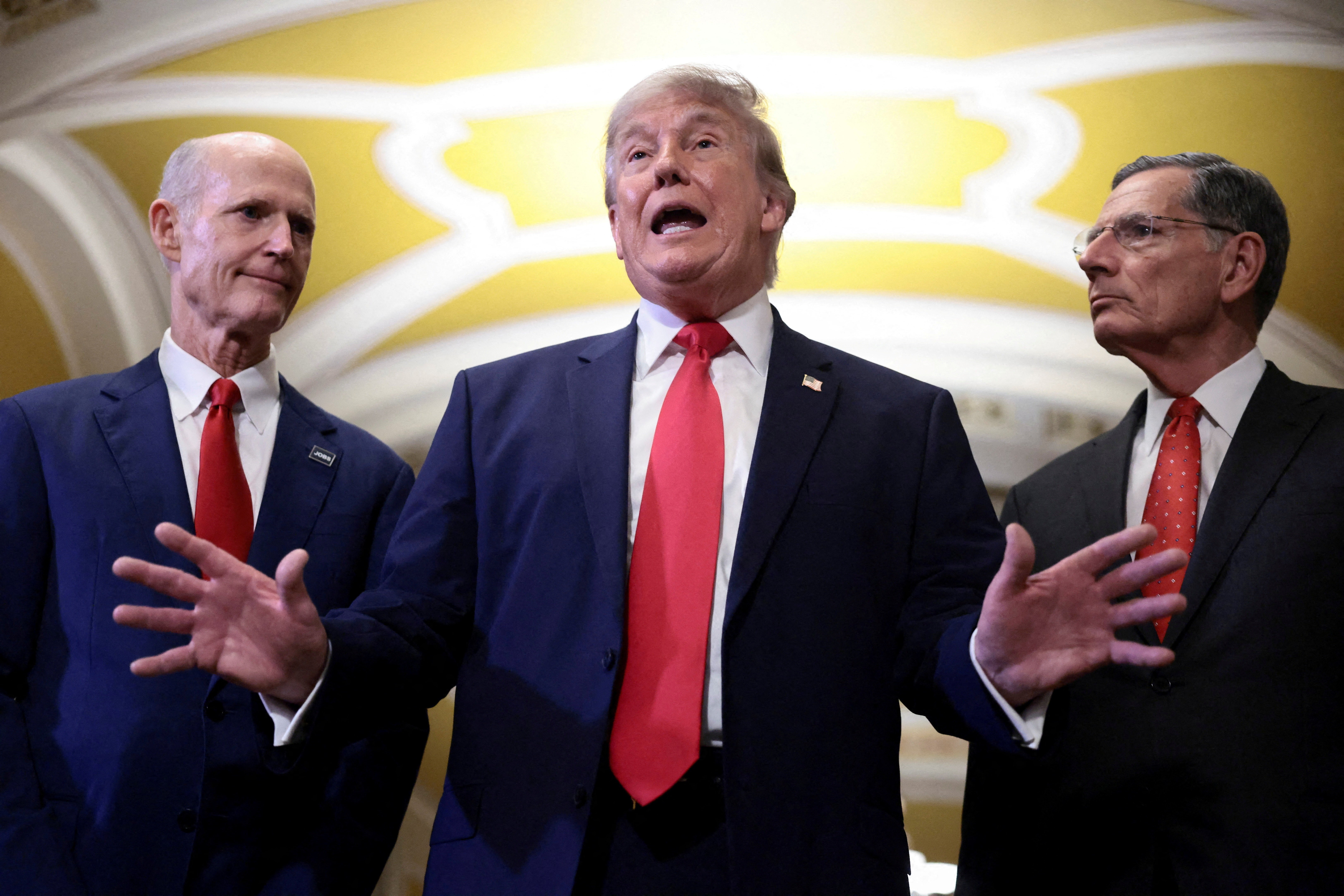
U.S. President Donald Trump declared on Friday, July 3rd, that it is "ridiculous" for the United States to maintain its current relationship with NATO, characterizing it as "unilateral." Trump stated on his social media platform, Truth Social, that the U.S. should not continue on this path when the relationship is not reciprocal, asserting that other nations "haven't been there for us." This statement comes less than a week before a NATO summit in Turkey. Trump has frequently criticized European partners regarding their contributions to the alliance and their response to conflicts, such as the war against Iran. He has consistently argued that Europe should take a greater role in its own defense. Recently, tensions have also arisen from Washington's actions concerning Greenland. A graphic shared by Trump highlighted the disparity in NATO spending, showing the U.S. investing significantly more than several other member states. Following pressure from Washington, NATO leaders agreed last year to increase defense spending to 5% of GDP by 2035. The upcoming NATO summit, involving 32 member states, is scheduled to take place in Ankara on July 7th and 8th. The U.S. has already begun to scale back its commitments to its partners.
President Trump's critique of NATO's financial burden-sharing and reciprocal commitments highlights a long-standing debate within the alliance regarding equitable defense contributions. By framing the U.S. involvement as "unilateral" and "ridiculous," Trump is leveraging public sentiment and domestic political narratives to pressure allies towards increased defense spending and a more balanced allocation of resources. This approach, while potentially effective in driving immediate policy shifts, risks undermining alliance cohesion and strategic predictability in an increasingly complex geopolitical landscape. The emphasis on financial metrics over broader security contributions, such as intelligence sharing and political support, overlooks the multifaceted nature of collective defense. Future alliance dynamics will likely hinge on finding a sustainable equilibrium between national interests and shared security imperatives, particularly as global power structures evolve and emerging threats demand unified responses.
AI-generated to prompt reflection — not editorial opinion, not advice, not a statement of fact. How this works.