Trump Casts Doubt on Election Security Ahead of Midterms, Citing China
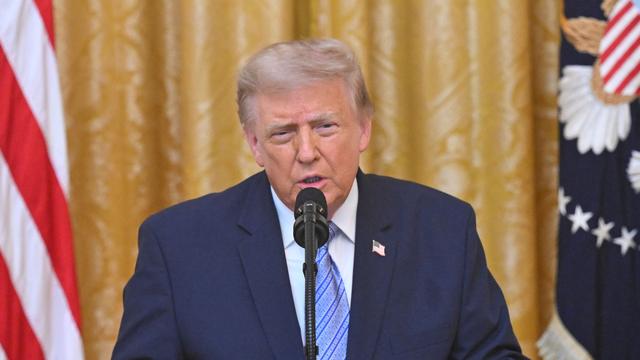
Former U.S. President Donald Trump has raised concerns about the security of American elections, specifically pointing a finger at China. He suggested that China might be attempting to interfere with or influence the upcoming "Midterms" elections. Trump's statements imply a belief that China poses a threat to the integrity of the electoral process. This accusation comes at a critical time as the United States approaches significant midterm elections, which will determine the balance of power in Congress. The former president's remarks are likely to fuel further debate about foreign interference in democratic processes. The specific nature of the alleged Chinese interference was not detailed in the provided information. However, the accusation itself adds another layer of complexity to the already contentious political landscape surrounding the elections. Trump's history includes frequent allegations of election irregularities and foreign interference, often directed at China and other geopolitical rivals. These claims often resurface during election cycles, aiming to shape public perception and political discourse.
Donald Trump's assertion that China is compromising U.S. election security ahead of the Midterms introduces a geopolitical narrative into domestic political discourse. Such claims, if substantiated, would highlight significant vulnerabilities in electoral systems and necessitate robust governmental responses. However, without specific evidence, these statements could also be interpreted as a strategic communication tactic aimed at mobilizing a particular voter base or deflecting attention from other issues. The framing of foreign adversaries as threats to democratic institutions is a recurring theme in political rhetoric, and its impact on public trust and the perceived legitimacy of election outcomes warrants careful consideration. The long-term implications involve the potential erosion of confidence in democratic processes, making it crucial for institutions to maintain transparency and for citizens to critically evaluate information sources.
AI-generated to prompt reflection — not editorial opinion, not advice, not a statement of fact. How this works.