Trump Claims China Interfered in 2020 Election, Contradicting US Intelligence
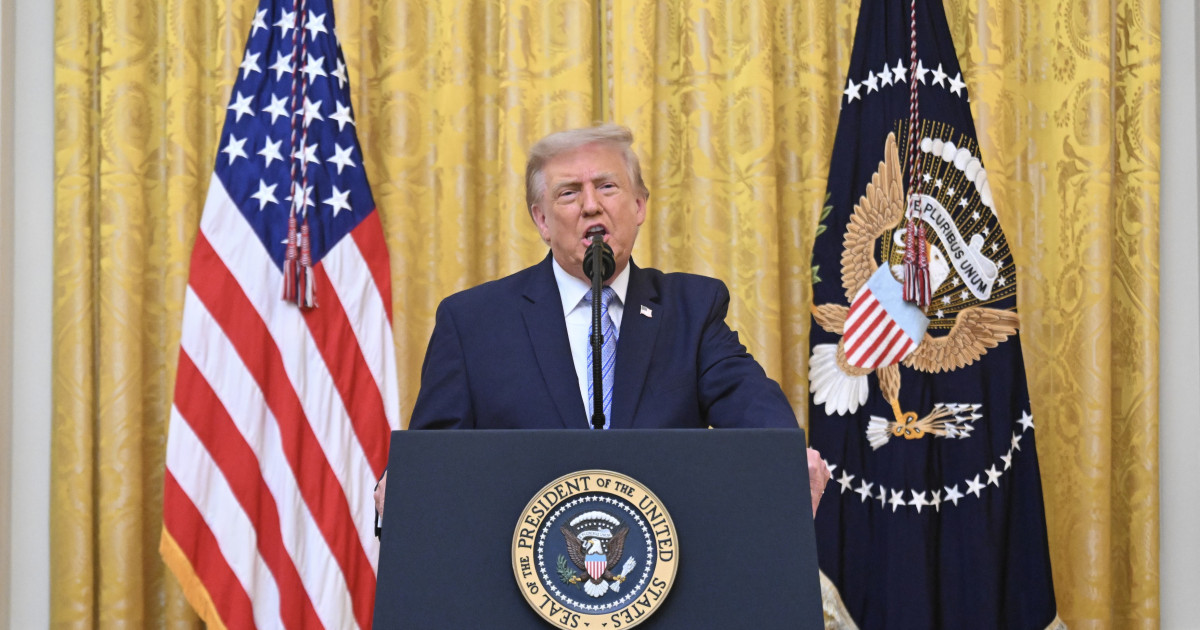
Former US President Donald Trump revealed documents on Thursday that he asserted prove China's interference in the American elections. This action reiterates his persistent accusations regarding electoral security. However, his claims stand in contrast to assessments from US intelligence agencies. These agencies previously concluded that there was no evidence of Beijing influencing the 2020 election outcome. Trump lost the 2020 election, after which he frequently raised concerns about the integrity of the vote. The documents released by Trump were presented as evidence of foreign interference. The intelligence community's stance has consistently been that while foreign actors may have sought to influence the election, China did not take actions aimed at altering the outcome. Trump's continued focus on this issue highlights his ongoing challenges to the legitimacy of the 2020 results. The situation underscores the divergence between his claims and the official findings of US intelligence bodies.
The release of documents by former President Trump alleging Chinese interference in the 2020 election, despite US intelligence findings to the contrary, presents a complex dynamic. This action may reflect an incentive to maintain a narrative of external influence on electoral outcomes, potentially deflecting from domestic factors or perceived irregularities. From a systemic perspective, such claims, when unsubstantiated by official intelligence assessments, can erode public trust in both electoral processes and intelligence agencies. In the context of evolving geopolitical rivalries and the increasing sophistication of information operations, it is crucial for public discourse to be grounded in verifiable evidence. Future governance frameworks may need to address the challenge of distinguishing between legitimate national security concerns and politically motivated assertions, particularly as technology enables more nuanced forms of foreign engagement.
AI-generated to prompt reflection — not editorial opinion, not advice, not a statement of fact. How this works.