Trump Claims China Interfered in 2020 Election He Lost to Biden
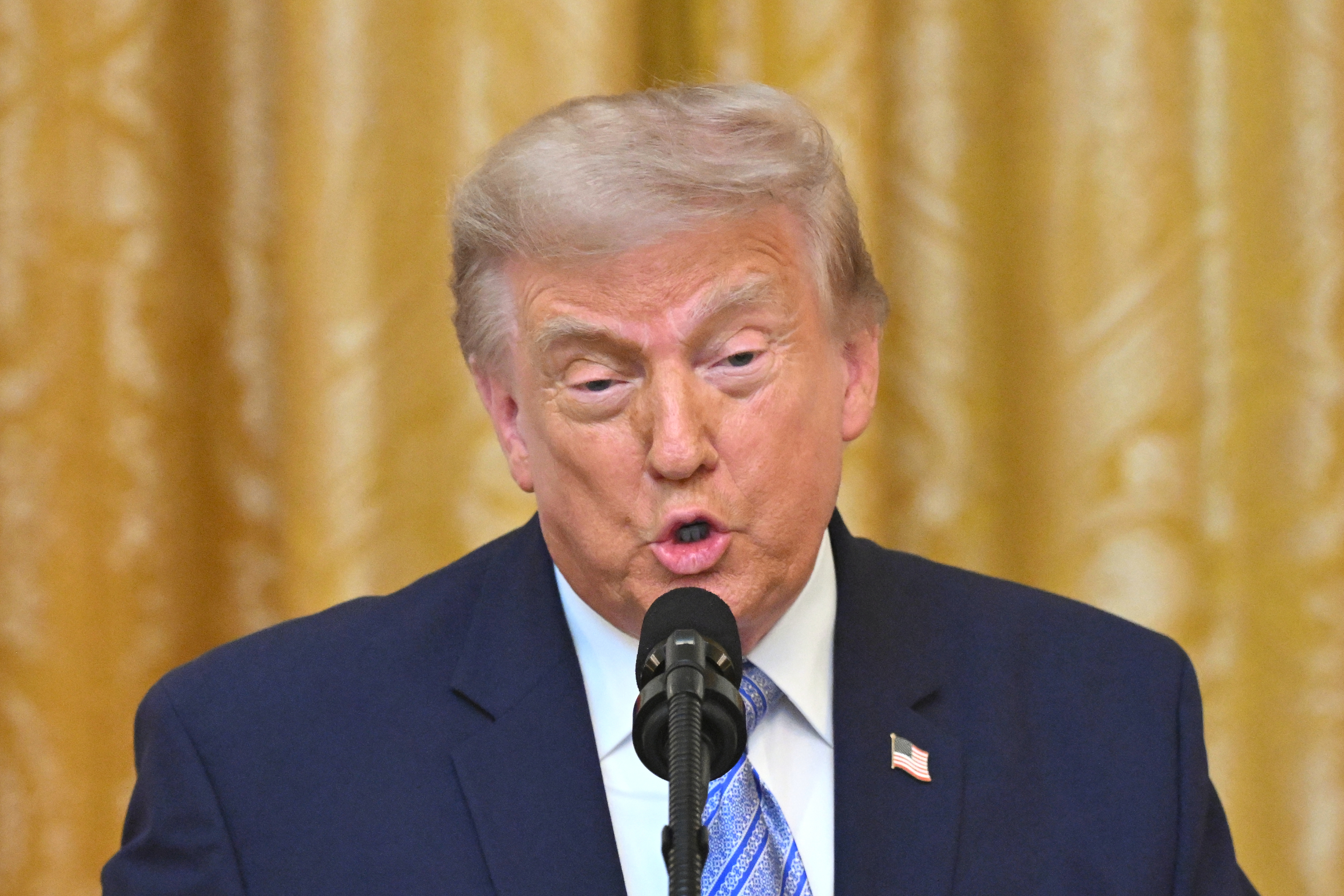
U.S. President Donald Trump has alleged that China interfered in the 2020 American presidential election, which he lost to Democratic candidate Joe Biden. This is not the first time Trump has attributed his defeat to alleged voter fraud in 2020; this argument was cited by his supporters when they stormed the Capitol on January 6, 2021, during the congressional certification of the electoral results. Trump had vaguely alluded to major news regarding "voting machines and electoral integrity" prior to a July 16, 2026, speech. Reuters had previously reported that Trump's address would include attacks on electronic voting machines and unproven claims of widespread fraud in the 2020 election. Democrats have expressed concern that Trump is attempting to revive baseless claims of stolen elections to undermine the upcoming 2026 legislative elections, where his Republican Party faces challenges. Trump's persistent focus on his loss to Biden and debunked election theories remain regular topics in his public addresses since returning to the White House in 2025. Elevating these deeply political and conspiratorial subjects to a prime-time presidential address highlights Trump's use of his second term to break norms and dwell on past grievances. Such addresses are typically reserved for significant national milestones or events, unlike Trump's April address about the war in Iran, which is still ongoing. Trump's claims of 2020 fraud have been repeatedly rejected by courts, election audits, and the Department of Justice during his first term, which found no evidence of fraud or electronic voting machine manipulation. The federal cybersecurity agency at the time deemed the election the "most secure in U.S. history." Since his return to the White House, the Trump administration has increased federal oversight of election administration and proposed voting system changes, which electoral law experts suggest could unconstitutionally shift power from states. Ahead of the November legislative elections, election security experts and Democrats fear the administration may attempt to interfere with the process. Experts told Reuters that by insisting the 2020 election was illegitimate, Trump is paving the way to contest potential Republican defeats and delegitimize Democratic victories.
The persistent claims of election irregularities by former President Trump, amplified through presidential addresses, represent a significant challenge to established democratic norms and electoral processes. While framed as a pursuit of "election integrity," these repeated assertions, despite consistent rejection by judicial and governmental bodies, can erode public trust in democratic institutions. The strategic timing of these claims, particularly in the lead-up to legislative elections, suggests a potential effort to influence future electoral outcomes and shape public perception. From a systems perspective, the focus on delegitimizing past elections may create a precedent that could be exploited by various political actors, potentially leading to increased polarization and instability. The long-term implications involve navigating the tension between free speech, the right to question processes, and the imperative to maintain confidence in the foundational mechanisms of representative government, especially as technology continues to evolve the landscape of information dissemination and electoral security.
AI-generated to prompt reflection — not editorial opinion, not advice, not a statement of fact. How this works.