Trump Claims Gaza Deal, Iran Strikes Kuwait Amid Regional Tensions
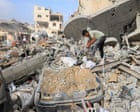
Former US President Donald Trump announced on social media that an agreement has been reached for the complete disarmament of Hamas in Gaza and the withdrawal of Israeli forces. He stated the deal would be implemented in structured phases, with an International Stabilization Force and a new Palestinian police force taking over security responsibilities. However, responses from Hamas and Israeli officials suggest the deal still faces significant obstacles. Meanwhile, regional tensions escalated as Iran launched drone strikes, reportedly hitting a Chinese firm's building in Kuwait and killing a worker. This occurred hours after Jordan's air defenses intercepted five missiles launched from Iran. Egypt's authorities are also analyzing drone fragments from an unprecedented strike on a port in Damietta, which caused a fire on two gas vessels, one US-owned. Analysts anticipate major oil companies will report substantial profits, with six of Europe's largest posting $22 billion in first-quarter profits, a 43% increase year-over-year, partly due to impeded petroleum shipments amid the conflict. Saudi Arabia announced the formation of a 14-nation maritime defense alliance to secure navigation around the Bab el-Mandeb strait. Shipping data indicates a high volume of commodity vessels passing through Bab el-Mandeb, while traffic through the Strait of Hormuz remains low.
The reported claims of a Gaza deal by Donald Trump, juxtaposed with escalating military actions by Iran and regional defense realignments, highlight the complex geopolitical landscape. The economic implications of disrupted shipping lanes and increased energy company profits warrant scrutiny regarding market stability and potential price gouging during conflict. The formation of a maritime defense alliance by Saudi Arabia suggests a strategic response to regional security threats, potentially reshaping regional power dynamics. Future developments will likely be shaped by the interplay of diplomatic efforts, the efficacy of international stabilization forces, and the ongoing strategic calculations of regional and global powers in navigating the volatile Middle East.
AI-generated to prompt reflection — not editorial opinion, not advice, not a statement of fact. How this works.