Trump Claims Hamas Will Disarm Following 'Peace Council' Agreement
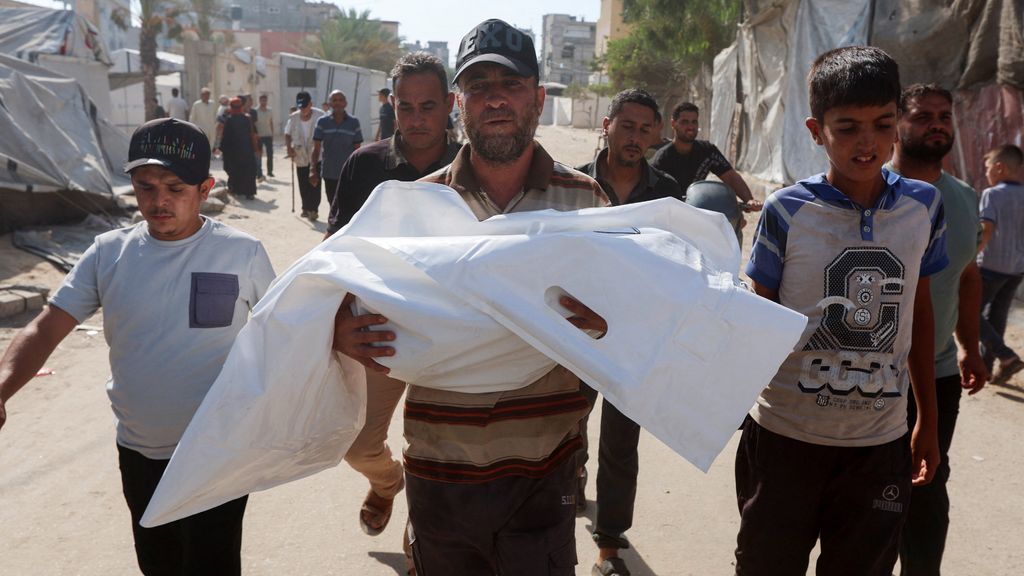
U.S. President Donald Trump announced on his social media platform Truth Social that Hamas and other armed groups in Gaza will lay down their weapons. He stated that his self-established 'Board of Peace,' intended to oversee a ceasefire, has reached a "historic agreement" on this matter. Trump did not specify the parties involved in the agreement, leaving it unclear whether Hamas and Israel feel bound by it. Recent negotiations involving mediators from Egypt, Qatar, and Turkey have seen progress, but no definitive accord has been reached, according to sources involved in the talks. A key sticking point appears to be the method of disarmament, with Israel insisting on the complete removal of all weapons from Gaza, a condition not yet met by the current plan. Hamas reportedly agrees to disarmament but insists that weapons be stored by a Palestinian entity, not handed over to Israel. Hamas has reiterated its demand for disarmament to occur only after Israel ceases attacks and withdraws its military from Gaza. The actual proximity of a finalized agreement remains uncertain. Despite the ongoing uncertainty and daily casualties from Israeli attacks, Trump proclaimed a "monumental step toward peace and security" in Gaza. He linked the disarmament to his 20-point plan from September, which envisions Hamas disarmament coinciding with an Israeli withdrawal, followed by a new non-Hamas technocratic governance in Gaza, overseen by an international peacekeeping force.
This event highlights the complex geopolitical dynamics surrounding the Israeli-Palestinian conflict, particularly the challenges of achieving lasting peace through externally brokered agreements. President Trump's announcement, made via social media and without explicit confirmation from all parties, underscores the potential for unilateral declarations to create information asymmetry. The core issue revolves around trust and verification mechanisms for disarmament, where differing interpretations of 'disarmament' and 'security' by Israel and Hamas create significant obstacles. The proposed technocratic governance model, while aiming for neutrality, faces the challenge of legitimacy and enforcement in a deeply entrenched conflict zone. Future resolutions will likely depend on establishing robust, mutually agreed-upon frameworks that address the security concerns of all parties while fostering sustainable Palestinian self-governance and economic development, rather than relying solely on symbolic gestures or declarative peace.
AI-generated to prompt reflection — not editorial opinion, not advice, not a statement of fact. How this works.