Trump Claims Illegal Immigration and Energy Policies Are Destroying Europe
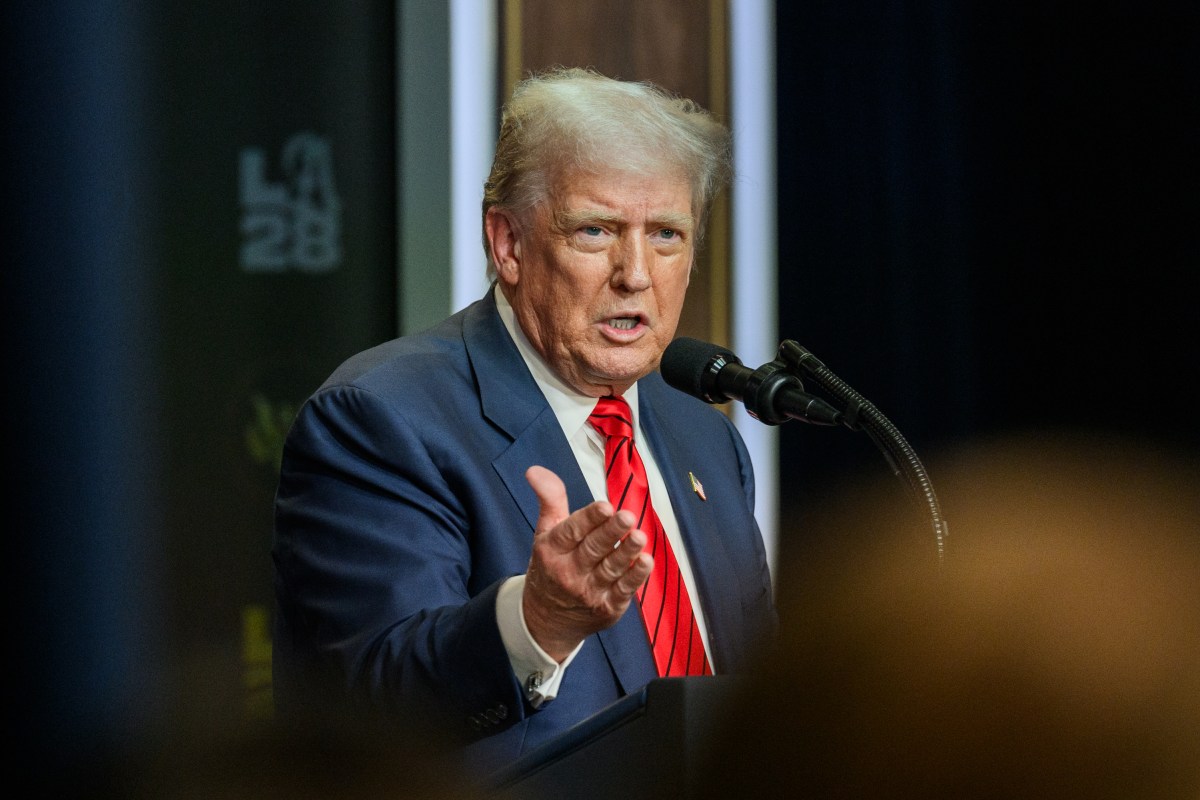
Former U.S. President Donald Trump has stated that Europe is being destroyed by illegal immigration and its energy policies. He expressed this view during a recent statement, highlighting his concerns about the continent's current trajectory. Trump specifically pointed to the influx of migrants and the continent's energy strategies as primary drivers of this alleged destruction. He did not provide specific data or detailed evidence to support these claims within the provided text. His remarks suggest a critical perspective on the management of these issues within European nations. The statement implies that these factors are leading to significant negative consequences for Europe's stability and future.
Donald Trump's assertion that illegal immigration and energy policies are 'destroying' Europe frames complex geopolitical and socioeconomic issues through a stark, binary lens. This perspective may resonate with voters concerned about national sovereignty and economic stability, but it overlooks the multifaceted drivers of European challenges, including historical factors, global economic shifts, and the intricate policy responses being implemented. From an analytical standpoint, the impact of immigration and energy policy involves significant trade-offs. For instance, energy transitions, while crucial for climate goals, can lead to short-term economic disruptions and require substantial investment. Similarly, migration flows are influenced by global instability and economic disparities, and their integration presents both societal challenges and potential economic benefits. Trump's rhetoric simplifies these dynamics, potentially obscuring the need for nuanced, long-term strategies that balance security, economic development, and humanitarian considerations. The framing also invites scrutiny of the incentive structures that might lead political actors to adopt such simplified narratives to mobilize support, potentially at the expense of constructive policy discourse.
AI-generated to prompt reflection — not editorial opinion, not advice, not a statement of fact. How this works.
