Trump claims Iran has one last chance for peace talks; Tehran denies negotiations
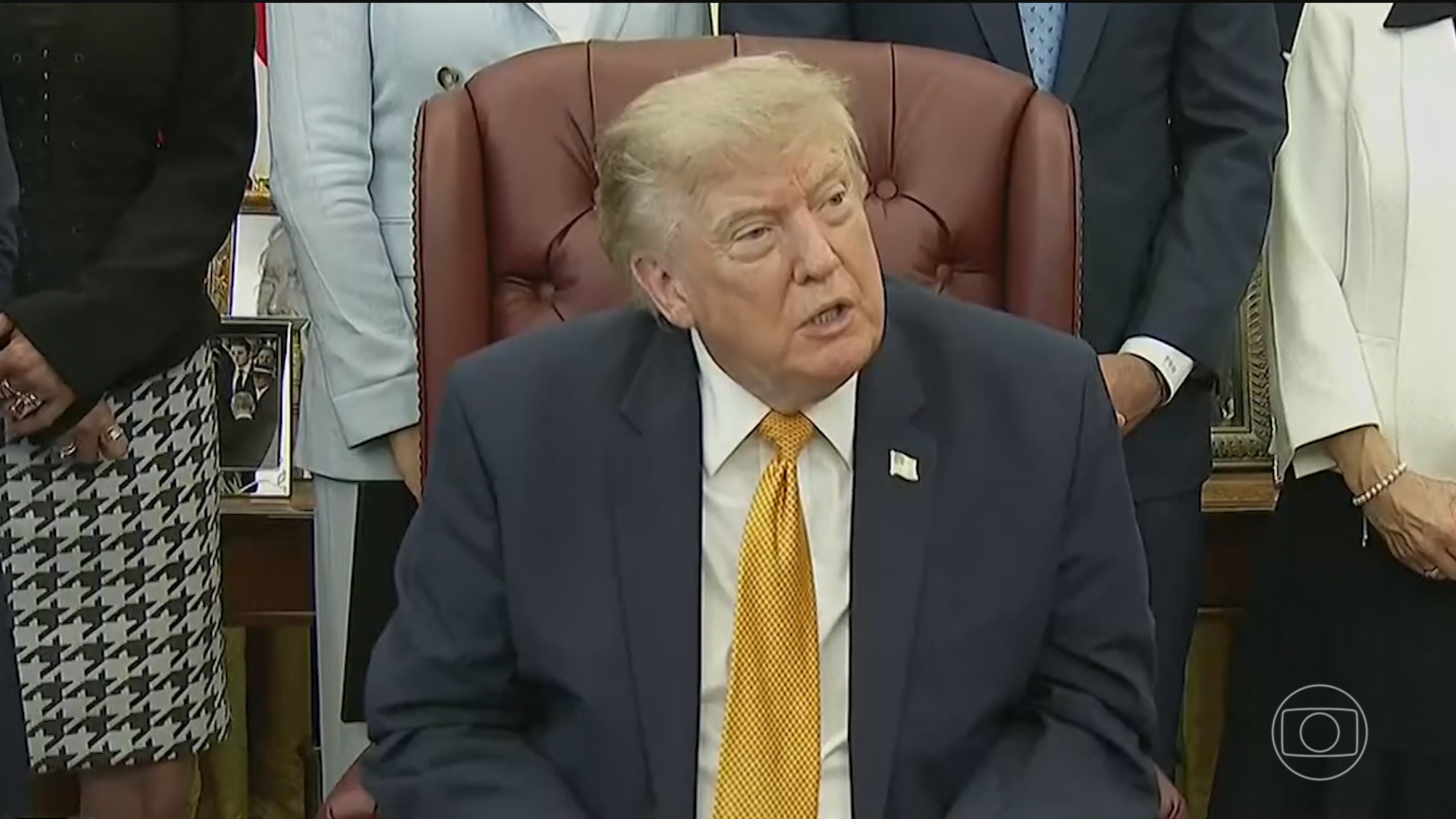
U.S. President Donald Trump stated that Iran has only one final opportunity to negotiate an end to hostilities, asserting that this is their last chance to discuss peace. However, Iranian officials have repeatedly denied any ongoing negotiations with the United States. Trump announced three times within a 24-hour period that Iran was seeking peace talks, but Tehran refuted these claims each time. On Sunday evening, Trump suggested talks would commence Monday, only for Iran's Foreign Ministry spokesperson, Esmaeil Baghaei, to deny not only the date but also the existence of any discussions. Baghaei clarified that current negotiations are solely with Oman concerning passage through the Strait of Hormuz, emphasizing that no change in the strait's situation will occur while U.S. naval blockades and aggression persist. Trump expressed indignation on social media, calling the Iranian leadership "incredibly hypocritical" for allegedly seeking meetings while denying talks. He further claimed complete U.S. Navy control over the region and a blockade preventing anything from entering Iran without U.S. consent, linking any potential entry to an agreement or total surrender, and reiterated that Iran will not obtain a nuclear weapon. Trump later insisted negotiations were underway and that the Strait of Hormuz could be reopened by Tuesday. He issued an ultimatum, calling this the final chance before what he termed "decapitation." This follows Trump's earlier claim of suspending an attack on Iran due to signs of a potential agreement. The White House maintains diplomacy is progressing, while Iran continues to exert pressure on the vital global oil export route.
The exchange highlights a significant divergence in communication and perceived intentions between the U.S. and Iran regarding potential de-escalation. From a strategic perspective, President Trump's public pronouncements, characterized by ultimatums and claims of impending negotiations, appear to be a tactic aimed at exerting maximum leverage and signaling resolve. Conversely, Iran's consistent denials suggest a strategy of maintaining strategic ambiguity and resisting perceived U.S. pressure, possibly to avoid concessions under duress. The differing narratives underscore the complexities of statecraft in high-stakes geopolitical environments, where public messaging can serve multiple domestic and international objectives. Future diplomatic engagements will likely be shaped by the credibility of each side's statements and their ability to navigate domestic political pressures alongside international relations. The situation also points to the inherent challenges in managing de-escalation when communication channels are fraught with mistrust and competing strategic aims.
AI-generated to prompt reflection — not editorial opinion, not advice, not a statement of fact. How this works.
