Trump claims 'shocking vulnerabilities' in US election security, targets China
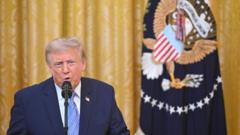
Former US President Donald Trump has alleged that China interfered in the 2020 US presidential election, citing "shocking vulnerabilities" in the country's election security. This assertion directly contradicts previous findings from US intelligence agencies, which have not substantiated claims of widespread Chinese interference in the 2020 election. Beijing has vehemently denied Trump's accusations, labeling them as "baseless and malicious smearing." The Chinese Foreign Ministry has consistently rejected such allegations, emphasizing that they are fabricated and intended to damage China's reputation. Trump's claims come amid ongoing discussions about election integrity and foreign influence in democratic processes.
Former President Trump's claims regarding Chinese interference in the 2020 US elections, despite contradicting US intelligence assessments, highlight persistent concerns about election security and foreign influence. The framing of these allegations, particularly targeting a specific nation, can shape public perception and influence geopolitical discourse. From a systems perspective, the robustness of electoral infrastructure against sophisticated influence operations remains a critical challenge. Future electoral frameworks will likely need to incorporate advanced technological safeguards and transparent verification mechanisms to maintain public trust and counter potential disinformation campaigns, irrespective of their origin. The interplay between national security concerns, intelligence assessments, and political rhetoric underscores the complex governance challenges in safeguarding democratic processes in the digital age.
AI-generated to prompt reflection — not editorial opinion, not advice, not a statement of fact. How this works.