Trump Claims Standing Order to Strike Iran if Assassinated, Vance Would Decide
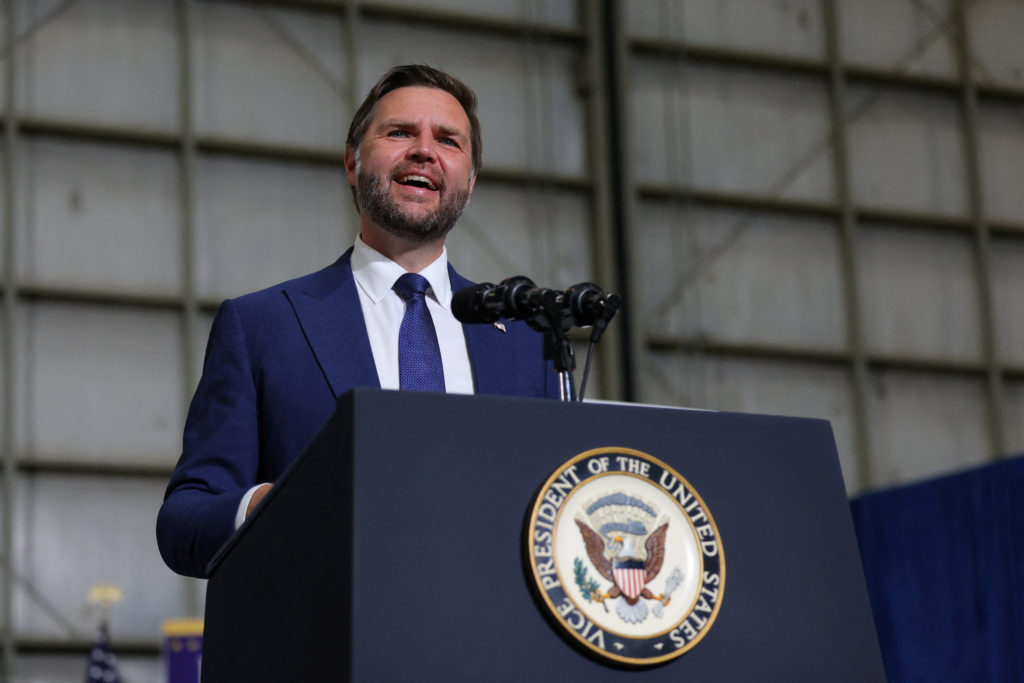
President Trump has indicated that he has issued a standing order for the U.S. military to launch devastating retaliatory strikes against Iran. These attacks would be executed at an unprecedented scale if Tehran carries out its persistent threats to assassinate him. The former president suggested that if such an event were to occur, the decision to enact this order would fall to his Vice President, J.D. Vance. This statement implies a pre-emptive strategy against potential Iranian aggression, linking a direct threat to Trump's life with a severe military response. The specific details of the order, including the precise triggers and scope of the retaliation, were not elaborated upon. However, the assertion highlights a significant escalation in rhetoric regarding potential conflict between the United States and Iran.
This assertion by President Trump outlines a potential policy of pre-emptive military retaliation against Iran, contingent on a direct assassination attempt. The proposed delegation of the decision-making authority to a Vice President introduces a complex layer of command and control, potentially impacting the swiftness and nature of any response. Such a policy, if enacted, could be viewed through the lens of deterrence, aiming to dissuade Iran from pursuing assassination plots by threatening overwhelming force. However, it also raises significant questions about international law, the principles of proportionality in warfare, and the potential for unintended escalation. The long-term implications of establishing such a standing order could shape future geopolitical dynamics and military doctrines, particularly in an era increasingly defined by asymmetric threats and state-sponsored aggression.
AI-generated to prompt reflection — not editorial opinion, not advice, not a statement of fact. How this works.