Trump Claims Success in NATO Burden-Sharing Where Obama, Biden, and Bush Failed
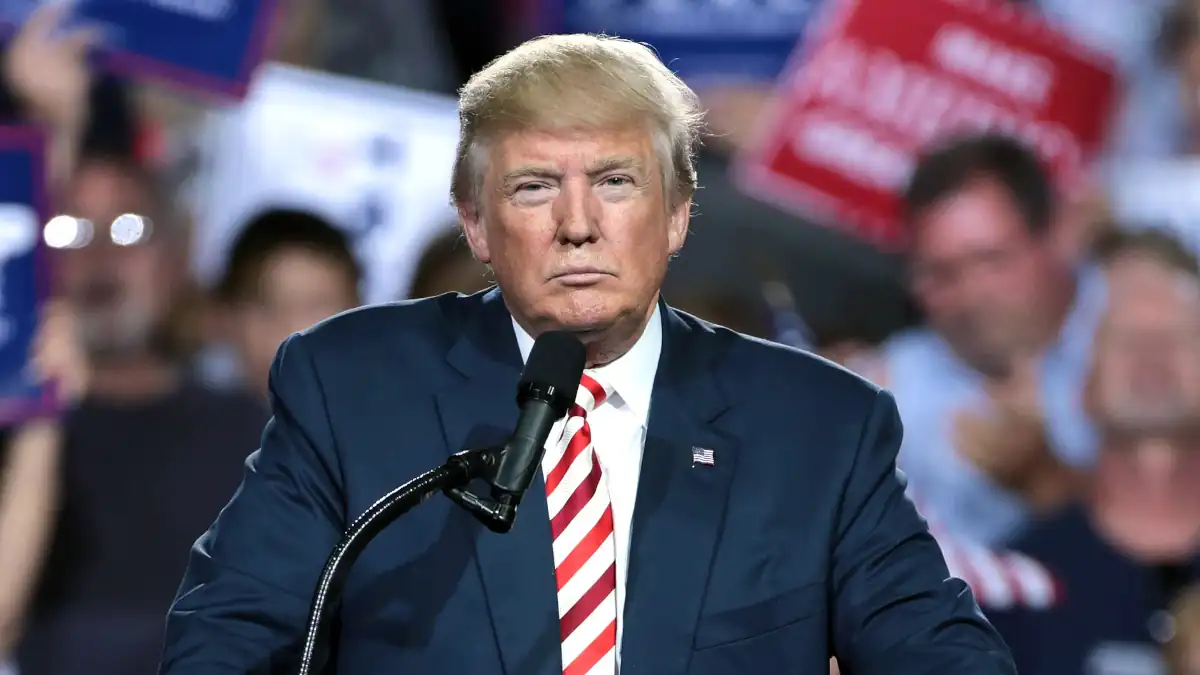
Former U.S. President Donald Trump has asserted that he is the first American head of state to successfully compel European nations to increase their defense spending within NATO. Trump made this claim on July 8, 2026, during a joint press conference in Ankara with NATO Secretary General Mark Rutte. This statement comes after years of U.S. efforts to encourage allies to contribute more financially to the alliance. Trump's administration had consistently pressured European members to meet the agreed-upon defense spending targets. He presented his achievement as a significant success, contrasting it with the perceived lack of progress under previous administrations led by Presidents Barack Obama, Joe Biden, and George W. Bush. The former president highlighted this as a key accomplishment of his foreign policy approach towards NATO.
Donald Trump's assertion highlights a persistent tension within the NATO alliance regarding equitable defense burden-sharing. His claim of success frames a strategic objective pursued by multiple U.S. administrations, suggesting that differing leadership styles and diplomatic approaches can yield varied outcomes. The effectiveness of such demands is often tied to broader geopolitical contexts and the perceived value of collective security. Examining this through a future-oriented lens, the sustainability of increased defense spending by European nations, especially in light of evolving global security challenges and domestic economic pressures, will be critical. The long-term impact hinges on whether these contributions translate into enhanced operational capabilities and strategic cohesion within NATO, rather than merely meeting financial targets.
AI-generated to prompt reflection — not editorial opinion, not advice, not a statement of fact. How this works.