Trump Claims Tariff Threats Averted India-Pakistan Nuclear War During 'Operation Sindoor'
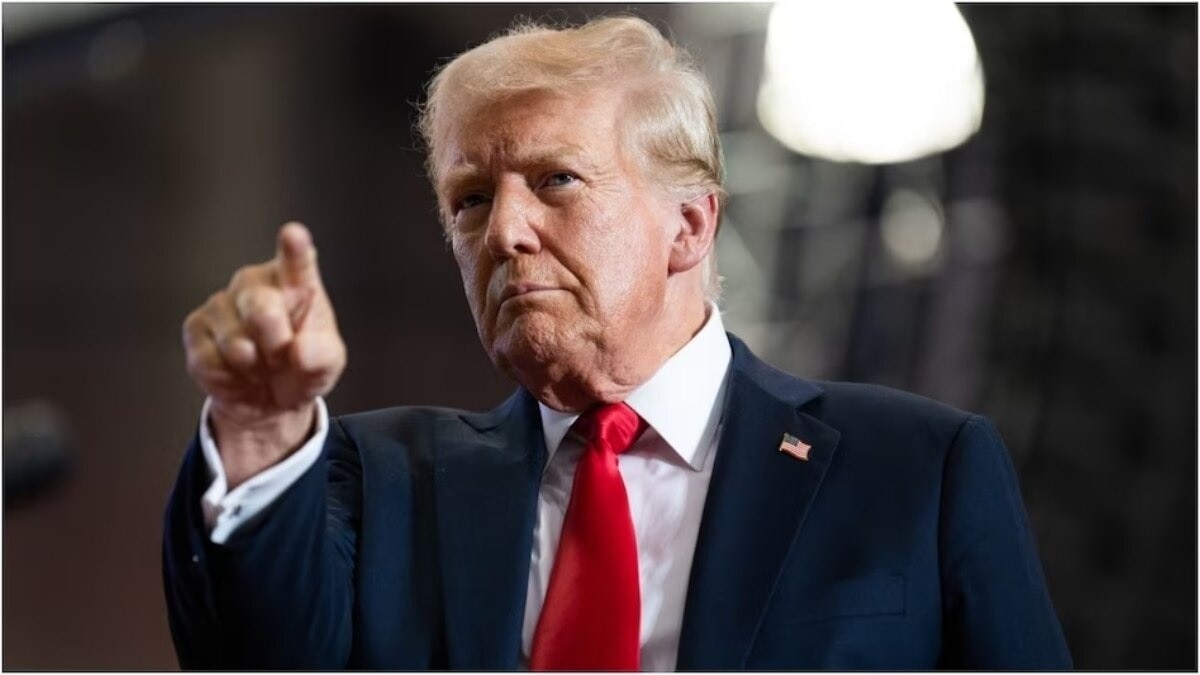
Former U.S. President Donald Trump has asserted his role in preventing a potential nuclear conflict between India and Pakistan during what he termed 'Operation Sindoor'. Trump stated that his diplomatic pressure, coupled with the threat of tariffs, was instrumental in halting an impending war. He further claimed that this intervention was one of five instances where he successfully de-escalated and prevented wars. The specific details of 'Operation Sindoor' and the timeline of these events remain unspecified in the provided context. Trump's assertion highlights his administration's approach to international diplomacy, emphasizing the use of economic leverage and direct negotiation to resolve geopolitical tensions. The claim suggests a significant, albeit uncorroborated, impact on regional stability.
This assertion by former President Trump frames a critical geopolitical moment through the lens of American economic leverage and personal diplomatic intervention. The analysis of such claims requires examining the broader context of U.S.-India-Pakistan relations and the efficacy of tariff threats as a tool for nuclear de-escalation. It prompts consideration of whether such unilateral actions, relying on economic coercion, represent a sustainable or desirable model for international conflict resolution, particularly in high-stakes nuclear scenarios. The long-term implications for regional security architectures and the potential for unintended consequences from such assertive, tariff-backed diplomacy warrant careful consideration in the evolving global landscape.
AI-generated to prompt reflection — not editorial opinion, not advice, not a statement of fact. How this works.