Trump claims Toyota's US investment is a win for his tariffs
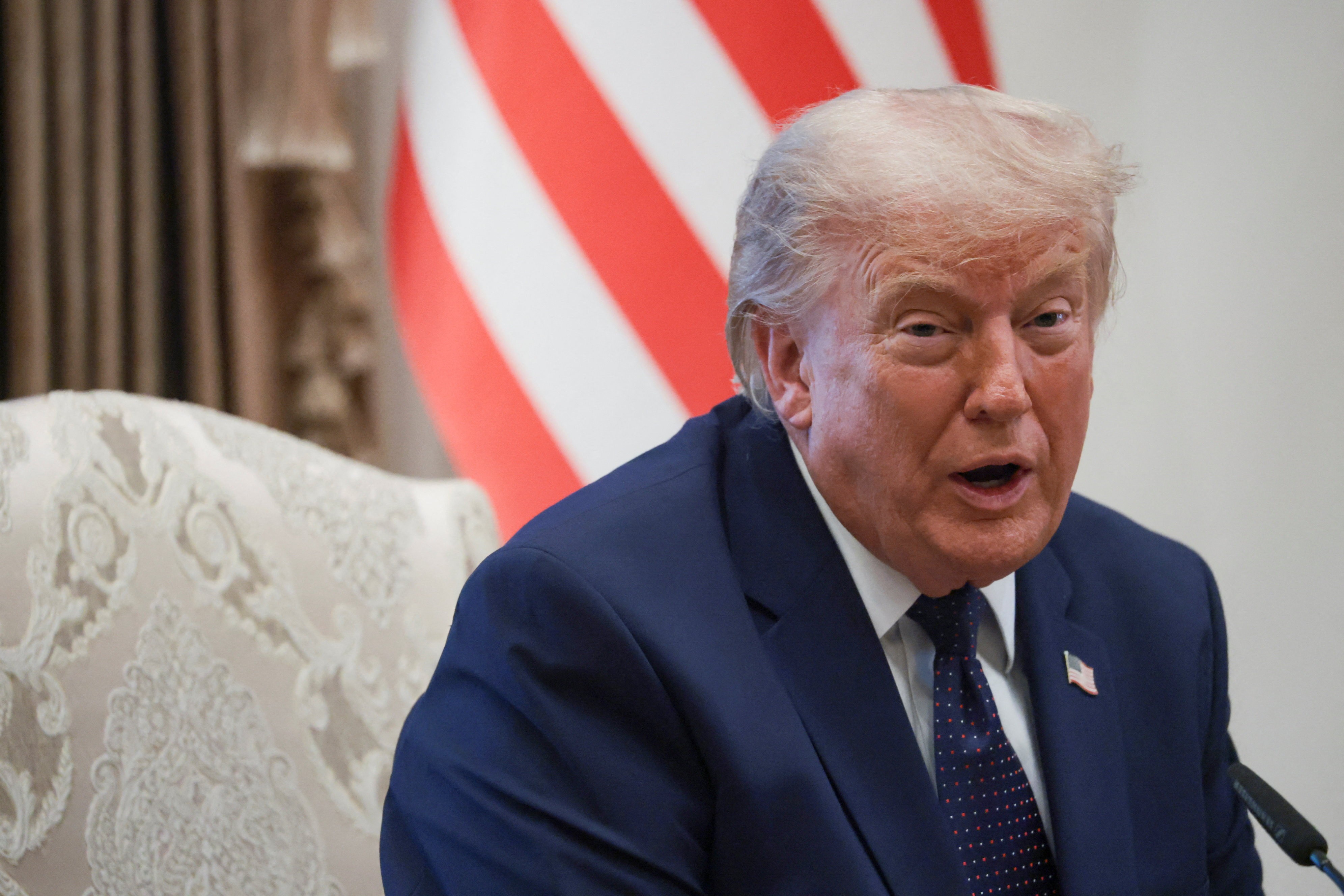
U.S. President Donald Trump stated that Toyota's decision to invest $3.6 billion in a new factory in Texas and shift some pickup truck production from Mexico to the United States is a significant development, attributing it to his administration's tariffs. Trump announced on Truth Social that "Toyota is moving from Mexico to the United States (Texas!). Great deal. Tariffs in action!". The Japanese automaker announced on Monday, December 6th, the construction of a roughly 232,000-square-meter facility in San Antonio, Texas, expected to be operational by 2030 and create approximately 2,000 jobs. This new plant will produce the Tacoma mid-size pickup truck, with some production moving from Baja California, Mexico, to Texas. Toyota will continue manufacturing the Tacoma in Guanajuato, Mexico, and already produces the Tundra pickup and Sequoia SUV in San Antonio. The company also plans to open a new 46,500-square-meter rear axle plant in San Antonio in the fall. This announcement comes amid Trump's pressure on automakers to increase U.S. production, supported by tariffs on automobiles, steel, aluminum, and auto parts. Toyota affirmed its commitment to operations in Mexico, Canada, and the U.S., advocating for the extension of the North American free trade agreement. The company has also incurred billions in additional costs due to Trump's tariffs, while simultaneously lobbying to reverse California's emissions rules and electric vehicle requirements. The Texas governor indicated the project could receive a state subsidy of $20 million, along with other incentives.
This event highlights the complex interplay between national industrial policy, international trade dynamics, and corporate investment decisions. President Trump's administration leveraged tariffs as a tool to incentivize domestic production, and Toyota's announcement is presented as a direct result of this strategy. However, the situation is multifaceted, as Toyota also notes significant costs incurred from these tariffs and expresses support for existing trade agreements that foster regional supply chain integration. The company's investment in Texas, while framed as a tariff victory, also reflects broader strategic considerations, including market access, labor costs, and long-term operational efficiency. The potential for state subsidies further complicates the attribution of the investment solely to federal tariff policy, suggesting a convergence of federal, state, and corporate interests. Looking ahead, the sustainability of such investments and the efficacy of tariff-based industrial policy will likely be shaped by evolving global trade relations, technological advancements, and the ongoing debate over balancing national economic interests with global supply chain realities.
AI-generated to prompt reflection — not editorial opinion, not advice, not a statement of fact. How this works.