Trump Claims Widespread Election Fraud, Citing Chinese Interference and Illegal Voters
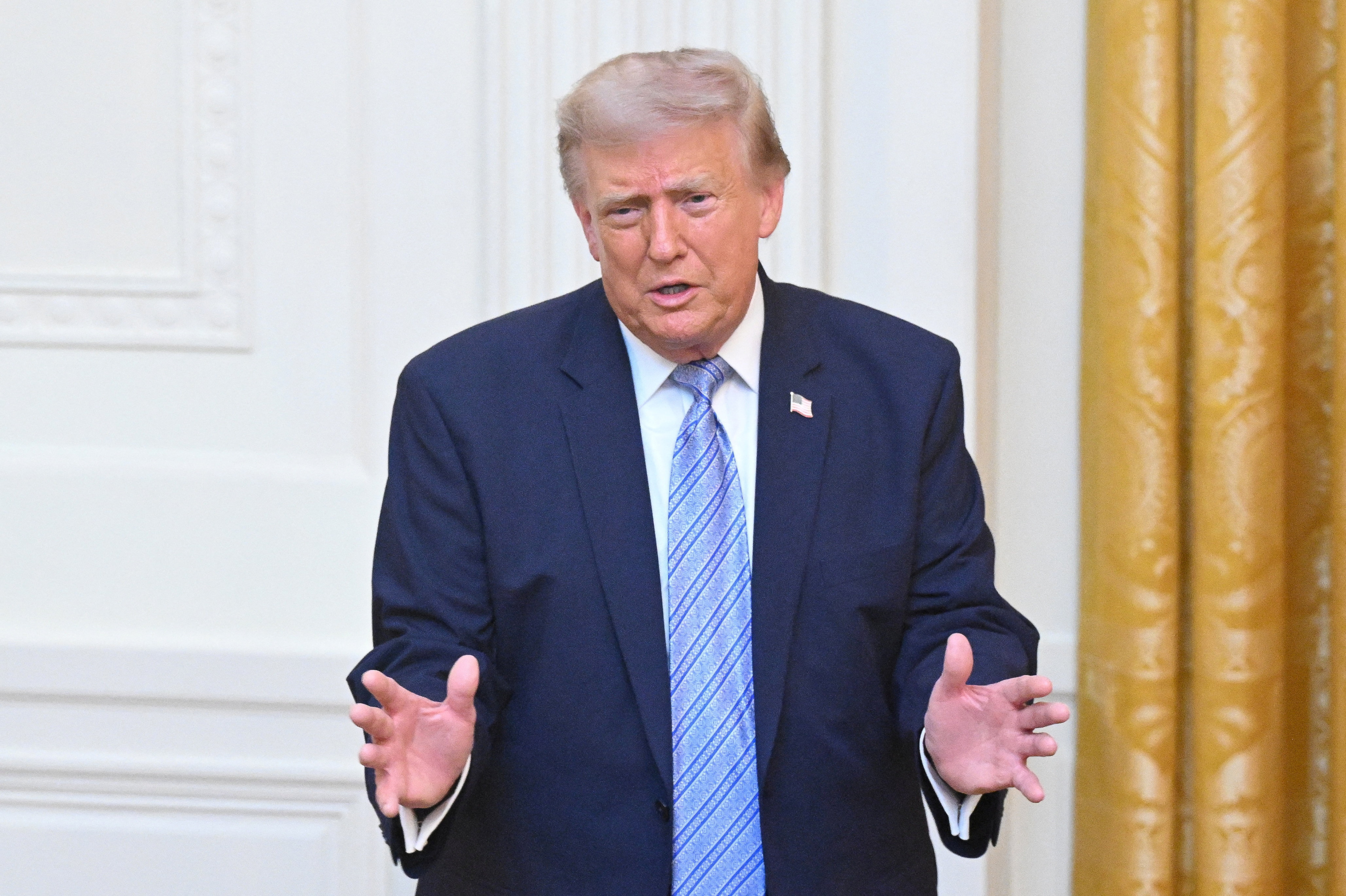
Former U.S. President Donald Trump has made several claims regarding widespread fraud in U.S. elections. Among his accusations, he specifically alleged that China was responsible for what he described as "the biggest data hack of our elections in history." Trump has also pointed to other supposed irregularities, such as the involvement of "illegal voters" in the electoral process. These statements contribute to a broader narrative Trump has promoted concerning the integrity of election outcomes. The claims have been a recurring theme in his public discourse since the 2020 election. The specific nature and evidence for these alleged hacks and the involvement of illegal voters have not been substantiated by official investigations or independent reviews. His assertions continue to be a point of contention in political discussions.
Former President Trump's assertions regarding election fraud, including accusations of Chinese interference and illegal voting, highlight the persistent challenge of maintaining public trust in democratic processes. Such claims, when unsubstantiated, can erode confidence in electoral systems and potentially influence future political engagement. The framing of foreign actors like China as orchestrators of election interference taps into geopolitical tensions, potentially serving to deflect domestic criticism or rally support around national security concerns. Examining the incentives behind such narratives, including political strategy and the amplification of divisive rhetoric in the digital age, is crucial. Understanding how information, or misinformation, spreads and impacts public perception is key to fostering a more resilient and informed electorate, particularly as technology continues to evolve and present new challenges to information integrity.
AI-generated to prompt reflection — not editorial opinion, not advice, not a statement of fact. How this works.