Trump Claims Widespread Election Vulnerabilities in Primetime Speech
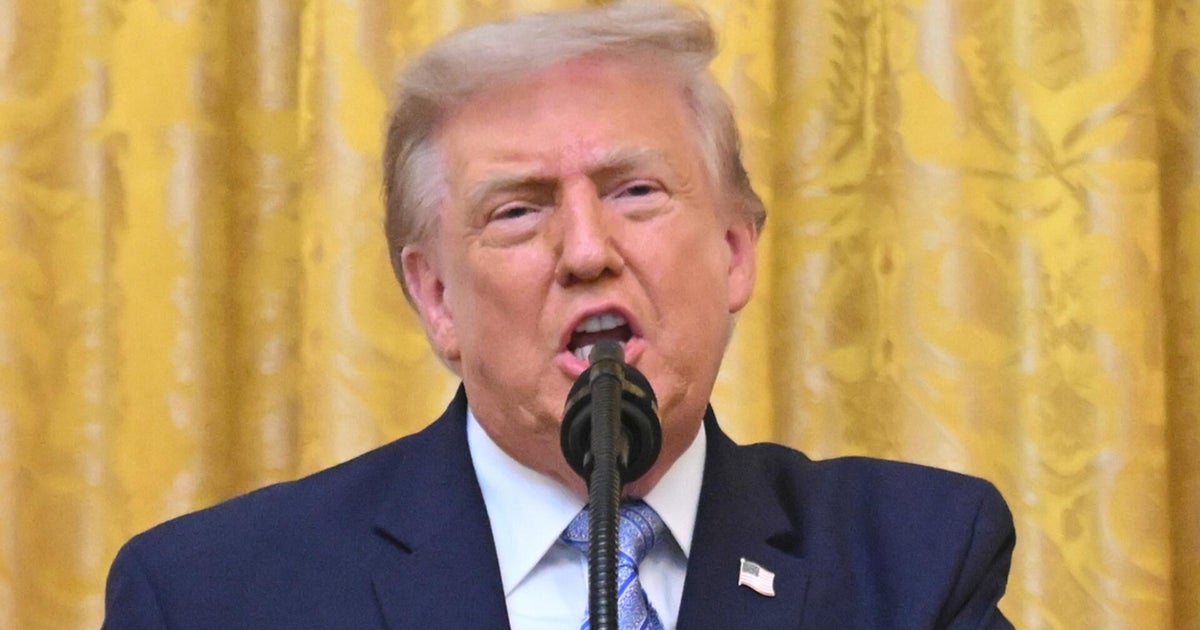
President Trump delivered a primetime speech on Thursday evening, asserting that the United States faces significant and widespread vulnerabilities in its election systems. He presented these claims without providing evidence, characterizing the situation as catastrophic. The speech was analyzed by CBS News' Ed O'Keefe, Anthony Salvanto, and David Becker, who discussed the implications and substance of the president's remarks. The focus of the discussion was on unpacking the specific claims made by Trump regarding the integrity of U.S. elections. The remarks come at a time when election security is a recurring topic of public discourse.
Further details on the specific vulnerabilities alleged by the president were not provided in the initial report. The analysis by the CBS News team aimed to contextualize Trump's statements and assess their factual basis. The event highlights ongoing debates surrounding election processes and public trust in democratic institutions. The president's use of a primetime address underscores the perceived importance of these claims to his administration.
The president's assertion of widespread election vulnerabilities, delivered in a primetime address, raises questions about the potential impact on public confidence in democratic processes. Such claims, particularly when unsubstantiated, can influence voter perceptions and potentially create systemic distrust. Examining the incentives behind such rhetoric is crucial; it may serve to consolidate a political base or preemptively frame future electoral outcomes. From a systemic perspective, the robustness of electoral safeguards relies on transparent processes and evidence-based discourse. The long-term challenge lies in balancing free speech with the imperative to maintain public faith in the foundational mechanisms of governance, especially as technological advancements continue to reshape information dissemination and potentially election administration.
AI-generated to prompt reflection — not editorial opinion, not advice, not a statement of fact. How this works.