Trump confirms asking FIFA president to review US player's red card
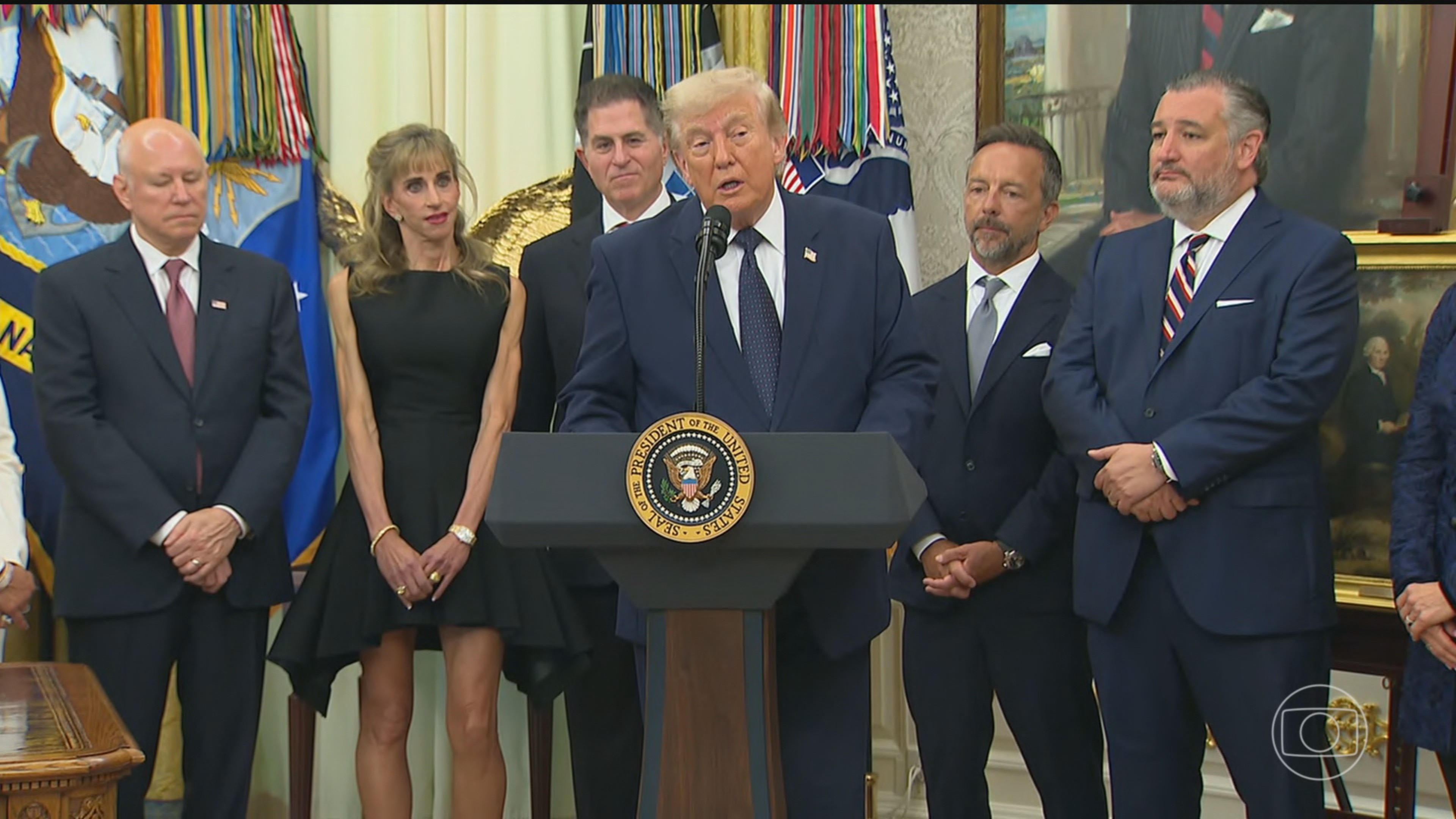
Former US President Donald Trump confirmed on Monday, June 6, that he had contacted FIFA President Gianni Infantino to request a review of a red card issued to American player Folarin Balogun. The incident occurred during a match between the United States and Bosnia Herzegovina in the second stage of the World Cup, where Balogun was ejected by Brazilian referee Raphael Claus for stepping on an opponent's ankle. This red card would have made Balogun ineligible for the subsequent match against Belgium. FIFA announced on Sunday, June 5, that it had revoked the player's suspension. Trump stated he did not believe Infantino made the decision himself, attributing it to a committee that he felt made the correct choice, asserting it was not a foul. FIFA clarified that the penalty revocation was decided by an independent disciplinary committee, which can exchange a red card suspension for a one-year evaluation period. Trump also criticized referee Raphael Claus's performance as "suspicious," a sentiment defended by the Brazilian Football Confederation and the Conmebol referees' commission. This unprecedented case, dating back to the creation of the red card in 1970, has drawn criticism from the European Union and UEFA, who questioned potential political interference in sports. UEFA stated FIFA had "crossed a red line," calling the decision incomprehensible. The EU commissioner for sports emphasized that sports matters should be handled by sports entities, not politicians. Belgium's appeal against the suspension was rejected by FIFA's appeals committee. FIFA maintained that its disciplinary committee is independent and that regulations allow for probationary periods instead of immediate suspension.
This event highlights a potential tension between political influence and the autonomy of international sports governance. While former President Trump asserts his call was merely a request for review, the subsequent revocation of a red card, particularly one deemed unprecedented in World Cup history, raises questions about the integrity of FIFA's disciplinary processes. The involvement of a political figure in a sporting decision, regardless of the stated intent, could set a precedent for future interference, potentially undermining the credibility of sports organizations. The swift criticism from European bodies suggests a broader concern about maintaining a clear separation between political and athletic spheres. Moving forward, FIFA faces the challenge of reinforcing its independent disciplinary mechanisms to ensure decisions are perceived as impartial and based solely on sporting regulations, thereby safeguarding the integrity of the game against external pressures.
AI-generated to prompt reflection — not editorial opinion, not advice, not a statement of fact. How this works.