Trump confirms Xi Jinping visit for AI talks amid election interference claims
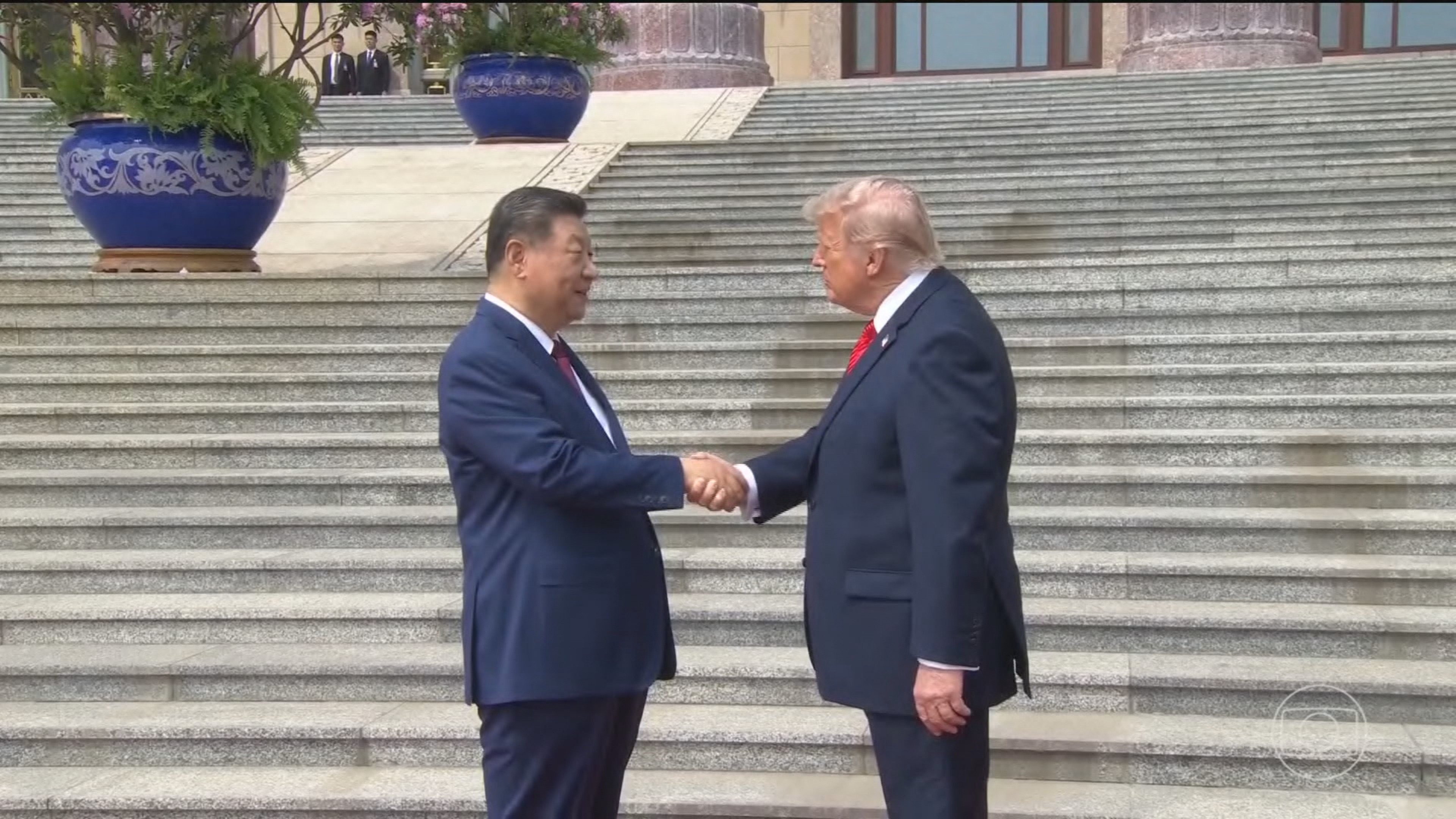
U.S. President Donald Trump announced that Chinese President Xi Jinping is scheduled to visit Washington on September 24 for diplomatic talks. The meeting is expected to focus on the joint development of artificial intelligence. This confirmation comes just one week after Trump accused China of interfering in the 2020 U.S. elections, an election he lost to Democrat Joe Biden. This upcoming visit will mark the third meeting between the two leaders in less than a year. Previously, Trump visited Beijing in May to discuss trade issues, and in October 2025, they met in South Korea to de-escalate a trade war characterized by reciprocal tariffs. The September meeting aims to build upon the May discussions, where both nations indicated a desire to enhance cooperation across various sectors, including trade and tourism. During their May meeting, Xi Jinping pledged to further open China's economy to American companies, while Trump stated that China agreed to purchase American aircraft, predicting a "fantastic future" for bilateral relations. Trump's recent allegations of Chinese election interference have been a recurring theme, forming the basis for his supporters' actions during the January 6, 2021, Capitol invasion. He claimed he would order an investigation into China by FBI Director Kash Patel and accused U.S. intelligence officials of concealing evidence. China's Ministry of Foreign Affairs has denied these allegations, asserting they lack factual basis and reiterating Beijing's policy of non-interference in other nations' internal affairs.
The juxtaposition of President Trump's accusations of Chinese election interference with the confirmation of President Xi Jinping's visit for AI discussions highlights a complex dynamic in U.S.-China relations. This situation underscores the strategic importance of artificial intelligence as a future economic and geopolitical battleground, driving engagement even amidst significant bilateral tensions. The U.S. administration's approach appears to balance national security concerns, including alleged foreign interference, with the pursuit of economic and technological opportunities. This dual strategy reflects the inherent challenge of managing competition and cooperation simultaneously in critical sectors like AI, where global leadership is at stake. The long-term implications will depend on the ability of both nations to navigate these competing interests, potentially shaping global AI governance and development trajectories over the next decade.
AI-generated to prompt reflection — not editorial opinion, not advice, not a statement of fact. How this works.