Trump Confuses Iran with Japan, Calls Zelensky 'Putin' in Press Conference
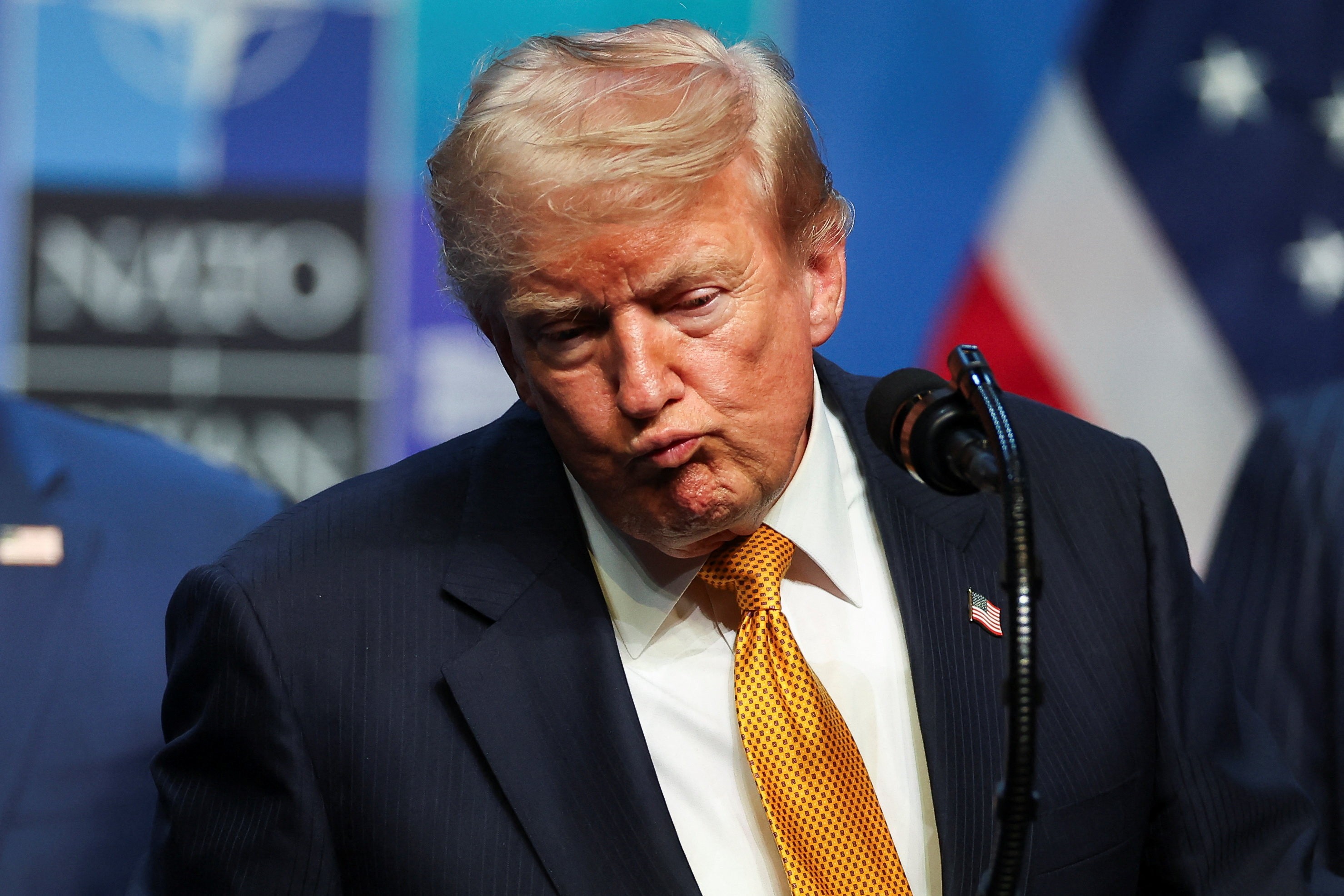
During a press conference alongside Ukrainian President Volodymyr Zelensky on Wednesday, July 8th, in Ankara, at the NATO summit, U.S. President Donald Trump made two significant verbal errors. While discussing the conflict with Iran, Trump mistakenly stated that "111 missiles were fired by the Islamic Republic of Japan" at the USS Abraham Lincoln aircraft carrier, continuing his remarks as if no mistake had been made. He was defending the U.S. military's actions against Iran, asserting that all missiles aimed at the ship had been intercepted. Earlier, Trump had declared the peace agreement with Iran "over" and expressed no intention to resume dialogue with Tehran, warning of forceful action. The U.S. and Iran had recently exchanged attacks, with American forces bombing targets in southern Iran after accusing Tehran of attacking three commercial vessels in the Strait of Hormuz. Later in the same conference, Trump confused Zelensky with Russian President Vladimir Putin. While asking reporters to suggest a question for his upcoming conversation with the Russian leader, Trump said, "Ask Putin a question," while standing next to Zelensky. He then attempted to clarify, explaining he was seeking a question for the Russian president. This incident echoes a similar gaffe by then-President Joe Biden at the 2024 NATO summit in Washington, where he introduced Zelensky as "President Putin" before correcting himself.
This event highlights the critical role of precision in high-stakes diplomatic communication, particularly for leaders engaged in complex geopolitical situations. When leaders misstate factual details or confuse key international figures, it can inadvertently create ambiguity regarding policy stances and strategic intentions. Such errors, regardless of intent, can be interpreted in various ways by international actors, potentially impacting diplomatic relations and market perceptions. In an era where information dissemination is rapid and global, the clarity and accuracy of presidential statements are paramount for maintaining stability and projecting consistent foreign policy.
AI-generated to prompt reflection — not editorial opinion, not advice, not a statement of fact. How this works.