Trump Criticizes NATO Allies on Defense Spending and Iran Stance
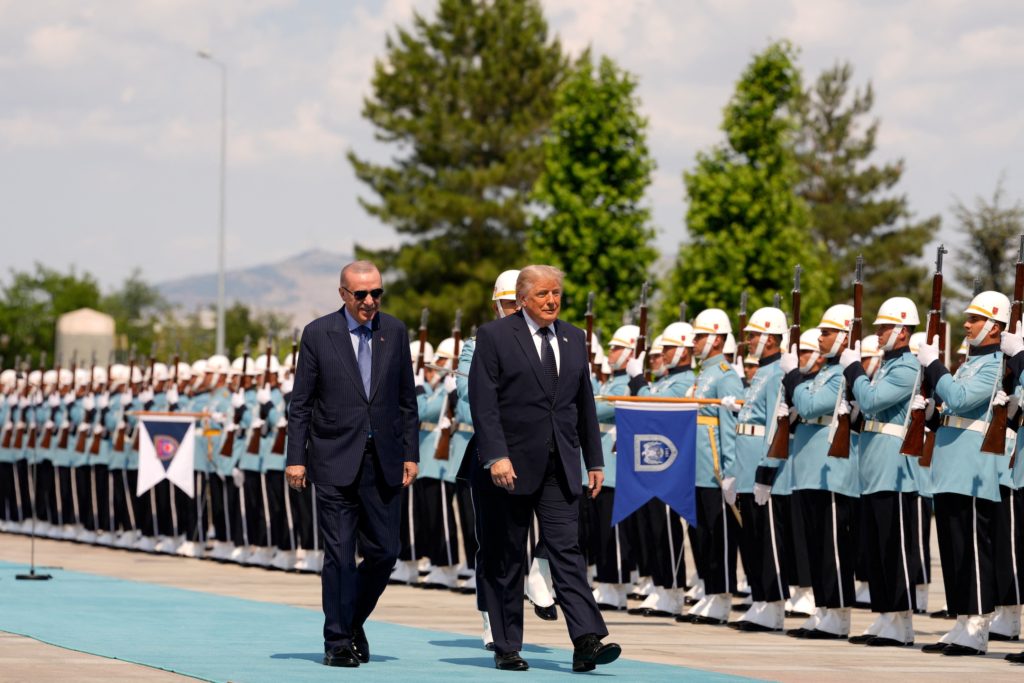
During a NATO summit in Turkey, U.S. President Donald Trump intensified his long-standing criticisms of European allies, particularly concerning their defense spending. Trump expressed frustration over what he perceives as insufficient contributions to collective security and a reluctance to support U.S. and Israeli actions regarding Iran. The summit aimed to bolster Europe's self-defense capabilities, but Trump's remarks highlighted ongoing tensions within the alliance. The discussions occurred against the backdrop of new U.S. strikes on Iran, adding another layer of complexity to the geopolitical discussions. President Trump's focus on financial commitments and strategic alignment underscores his administration's approach to international relations and burden-sharing within NATO. Nick Schifrin reported on these developments from Ankara.
President Trump's approach at the NATO summit highlights a recurring tension between alliance solidarity and national self-interest, particularly concerning defense expenditure and geopolitical alignment. His emphasis on increased spending by European nations reflects a transactional view of security partnerships, seeking greater financial contributions to offset perceived burdens on the U.S. The critique regarding Iran policy suggests a divergence in strategic priorities, with the U.S. advocating for a more assertive stance than some European allies are willing to adopt. This dynamic raises questions about the future efficacy of collective security frameworks when member states exhibit differing threat perceptions and fiscal capacities. The long-term implications involve potential fragmentation of alliances if consensus on burden-sharing and strategic objectives cannot be achieved, impacting global stability in an era of evolving geopolitical challenges.
AI-generated to prompt reflection — not editorial opinion, not advice, not a statement of fact. How this works.