Trump Criticizes Oil Companies for High Profits Amidst Global Energy Market Disruption
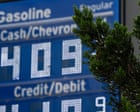
U.S. President Donald Trump has publicly criticized major oil companies, stating they are "making too much money" due to the global energy market's current state, which he links to his administration's policies regarding Iran. This criticism comes as several large oil corporations have reported significant profit increases. For the three months ending in June, U.S. oil companies ExxonMobil and Chevron collectively reported over $26 billion in profits. Chevron achieved a record quarterly profit of $12.2 billion, a fivefold increase compared to the same period last year, while ExxonMobil reported $14.5 billion, doubling its profit from the previous year. The benefits of the current energy market are not limited to U.S. companies; Shell, Europe's largest oil company, nearly doubled its net profit to $10 billion in the same quarter. Saudi Aramco also saw a 44% rise in net profits, reaching $32.69 billion, despite disruptions in the Strait of Hormuz. British Petroleum (BP) reported its highest quarterly profits since the beginning of the war in Ukraine, though its CEO indicated there is potential for further improvement.
The U.S. President's public commentary on oil company profits highlights a recurring tension between corporate earnings and public perception, particularly during periods of geopolitical instability and energy market volatility. While oil companies are operating within market dynamics that allow for increased profits, such outcomes can create public pressure and calls for intervention. This situation presents a complex policy challenge, balancing the incentives for energy production and investment against concerns about affordability and equitable distribution of economic benefits. Future market structures and regulatory frameworks may need to consider mechanisms that promote price stability and consumer protection, especially in light of global events that can disproportionately impact energy costs.
AI-generated to prompt reflection — not editorial opinion, not advice, not a statement of fact. How this works.
