Trump Criticizes Oil Companies for High Profits, Calls for Lower Gas Prices
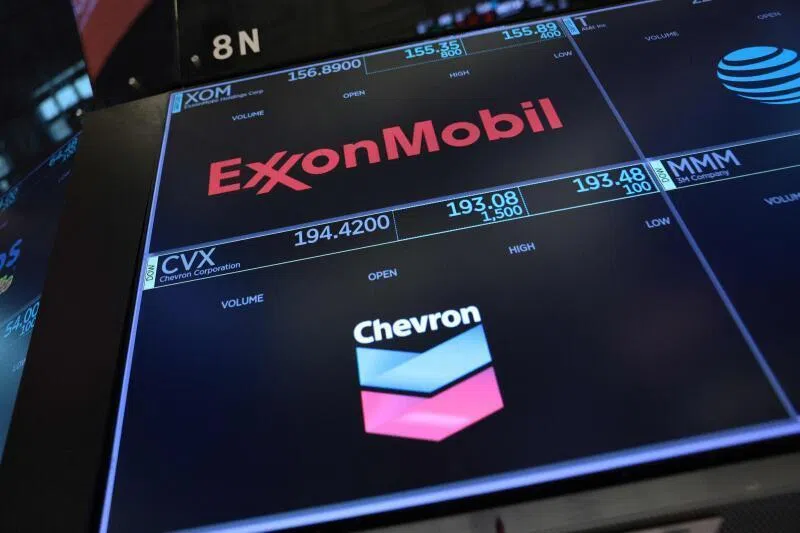
Former President Donald Trump has publicly criticized major oil companies, specifically naming Exxon and Chevron, for what he perceives as excessive profits. He stated that these companies are making "too much money" and demanded that they lower petrol prices for consumers. This statement comes in the wake of Chevron announcing its highest quarterly earnings in at least six years during the previous week. The former president's remarks suggest a focus on the affordability of fuel and place direct blame on the oil industry for current price levels. His call implies a desire for direct intervention or influence over corporate pricing strategies to benefit the public.
This event highlights the perennial tension between corporate profitability and consumer affordability, particularly in essential sectors like energy. Former President Trump's public criticism leverages populist sentiment by framing high corporate earnings as detrimental to the public interest. From a market dynamics perspective, oil companies operate within global commodity markets influenced by supply, demand, geopolitical factors, and refining capacity, which collectively determine prices. While companies are incentivized to maximize shareholder value, political pressure to lower prices can arise during periods of high inflation or economic hardship. The analysis of such situations involves considering the interplay of market forces, regulatory environments, and political rhetoric, rather than solely attributing price levels to corporate greed or benevolence. Future energy policy may grapple with balancing market efficiency with societal equity, especially as the global economy transitions towards new energy paradigms.
AI-generated to prompt reflection — not editorial opinion, not advice, not a statement of fact. How this works.
