Trump Criticizes Oil Giants' Profits, Demands Price Cuts
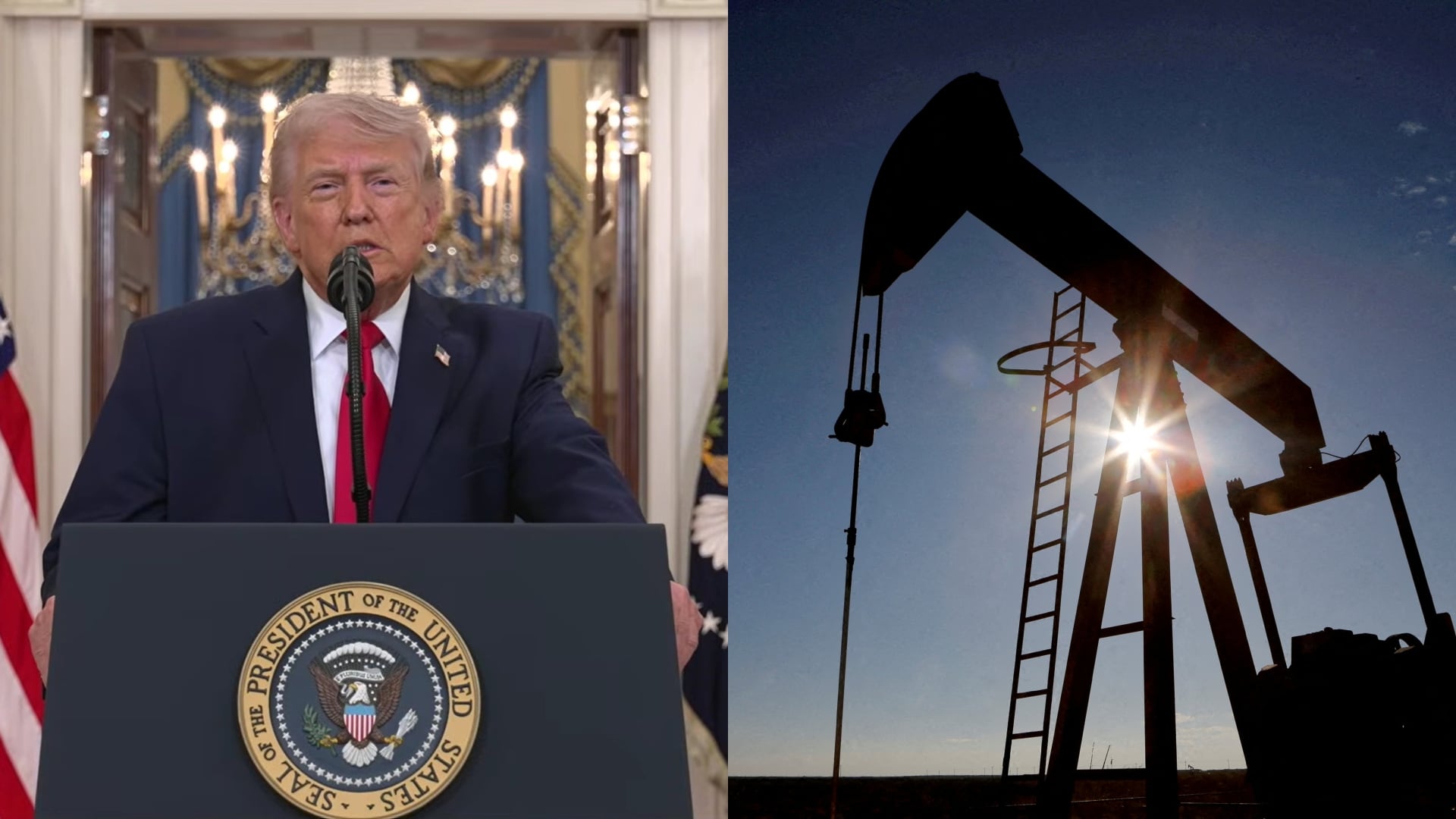
Former U.S. President Donald Trump expressed his displeasure with the significant profits of major oil companies Exxon and Chevron, stating they were "making too much money from a shortage." He addressed reporters at the White House, emphasizing his view that these companies should return some of their earnings to the public. Trump specifically asserted that the oil firms "better lower the price" of gasoline. In the second quarter, both Exxon and Chevron collectively reported profits exceeding $12 billion, a figure Trump implied was excessive given current market conditions.
This situation highlights the perennial tension between corporate profit motives and public interest, particularly during periods of perceived scarcity. Former President Trump's remarks reflect a common political approach to address high energy prices by targeting corporate earnings, framing it as a matter of fairness and public benefit. From a market dynamics perspective, oil companies operate within global supply and demand forces, and their profitability is influenced by a complex interplay of geopolitical events, production levels, and refining costs. While companies are legally entitled to pursue profits, public scrutiny intensifies when these profits are seen as disproportionately high during times of economic hardship for consumers. Future policy discussions may involve examining regulatory frameworks, windfall profit taxes, or incentives for increased domestic production to balance corporate financial performance with energy affordability and national economic stability.
AI-generated to prompt reflection — not editorial opinion, not advice, not a statement of fact. How this works.
