Trump Declares 'Anti-Weaponization Fund' Dead, But Still Desires Payouts
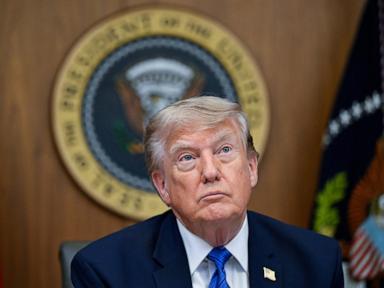
Former President Donald Trump has stated that the $1.8 billion "Anti-Weaponization Fund" is no longer active. Despite its demise, Trump expressed a continued desire for the fund's existence and for the payouts it was intended to facilitate. The specific details surrounding the fund's purpose and the intended recipients of the payouts were not elaborated upon in the statement. The acknowledgement of the fund being "dead" suggests a definitive end to its operational capacity and financial allocation. Trump's remarks indicate a lingering interest in the concept or the financial mechanisms it represented, even after its official closure. The context of this statement implies a potential discussion about past financial initiatives or future policy considerations related to such funds.
The former president's statement regarding the "Anti-Weaponization Fund" highlights a potential disconnect between policy decisions and expressed desires. The termination of a $1.8 billion fund suggests a completed governmental or organizational process, likely influenced by evolving priorities, fiscal constraints, or strategic shifts. Trump's continued wish for its existence and payouts may reflect an enduring belief in the fund's original objectives or a preference for specific financial instruments. This situation invites consideration of the governance structures that allow for such funds to be established and subsequently dissolved, and the mechanisms through which stakeholder preferences can influence or react to these decisions. Examining the underlying incentives and the long-term implications of such financial commitments, particularly in the context of geopolitical or economic stability, provides a more comprehensive understanding of the event's systemic significance.
AI-generated to prompt reflection — not editorial opinion, not advice, not a statement of fact. How this works.