Trump Declares Iran Peace Deal Over, Orders New Strikes Amid Strait of Hormuz Tensions
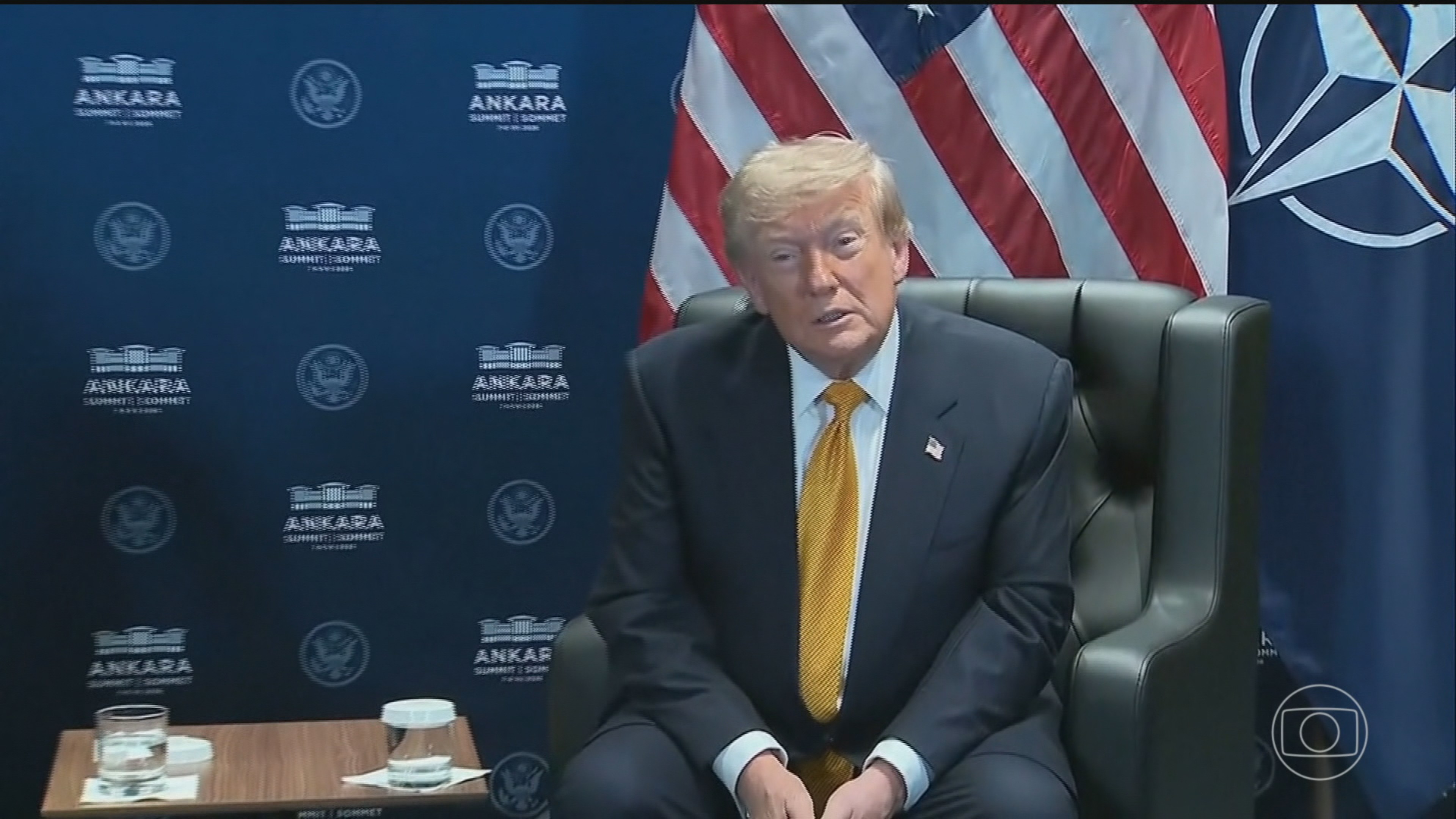
United States President Donald Trump has declared an end to the peace deal with Iran and ordered a new wave of attacks against Iranian targets. Trump stated that for him, the ceasefire is over, expressing strong disapproval of Iran and questioning the future of peace negotiations. He described Iranians as "scum" and "sick, cruel, and violent people" who would use a nuclear weapon if they possessed one. While acknowledging that some Americans wish to continue dialogue, Trump considers the talks a waste of time.
The development follows the recent signing of a memorandum of intent between Trump and Iranian President Masoud Pezeshkian, which included reopening the Strait of Hormuz. However, three cargo ships were attacked in the strait on Tuesday, leading other vessels to reroute. Iran has not claimed responsibility for these attacks. In response, Trump ordered renewed bombings of Iran and revoked a license that had suspended sanctions, allowing Iran to export oil freely.
Iranian forces retaliated with attacks on U.S. military bases in Bahrain and Kuwait, though without significant damage. Trump threatened further strikes, stating that while not a full-force attack, any recurrence would be met with a much harsher response. The U.S. confirmed initiating strikes to degrade Iran's ability to threaten navigation in the Strait of Hormuz, with Iranian news agencies reporting explosions near naval bases. Trump posted videos of the strikes, labeling them retribution for previous attacks and warning of worse consequences if such actions repeat. The escalating tensions have impacted global markets, with New York stocks falling and oil prices surging to $80 per barrel, affecting airline stocks and leading to a decline in Brazil's stock market.
The escalation of hostilities between the United States and Iran, marked by the termination of a peace agreement and retaliatory strikes, highlights the persistent volatility in the Middle East. The economic repercussions, including oil price spikes and market downturns, underscore the interconnectedness of geopolitical stability and global commerce. Future diplomatic efforts will likely be shaped by the inherent challenge of de-escalation in an environment where perceived strength and deterrence often take precedence over sustained dialogue. The strategic importance of the Strait of Hormuz as a global energy chokepoint means that any disruption carries significant international implications, demanding careful consideration of long-term consequences beyond immediate military objectives.
AI-generated to prompt reflection — not editorial opinion, not advice, not a statement of fact. How this works.