Trump Declares Over $1 Billion in 2025 Gains from Crypto, Stocks, and Real Estate
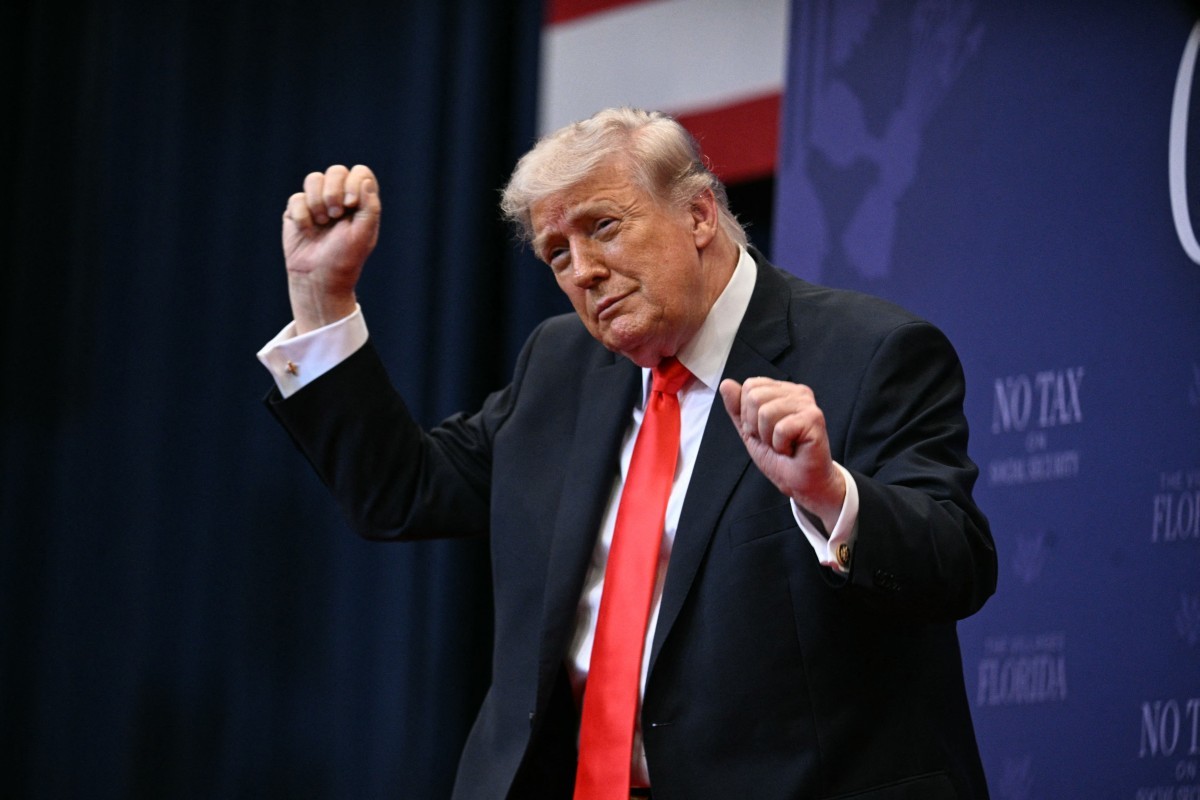
Former U.S. President Donald Trump reported over $1 billion in earnings for 2025, primarily from financial investments, business stakes, and real estate ventures. The disclosure, based on a document released by the U.S. Office of Government Ethics, was reported by The New York Times and The Financial Times. Digital assets emerged as Trump's leading declared income source, with over $500 million from 10 transactions with World Liberty Financial, a cryptocurrency company he founded. An additional $635 million stemmed from trading a memecoin called $TRUMP, and $196 million came from a capital contribution to Stablecoin Holdco LLC, in which Trump holds a 38.25% stake. Reuters analysis suggests these digital assets benefited from policies enacted during his presidency.
Trump's investment portfolio also includes stocks, mutual funds, ETFs, and debt securities. The Financial Times noted numerous stock trades made on Trump's behalf during market-sensitive periods, including significant Nvidia purchases shortly before a statement on chip sales to China and Intel purchases preceding a White House announcement on chip manufacturing. Over 21,000 trades were executed in 2025 across eight investment accounts linked to him. Real estate licensing fees from international projects in countries like Saudi Arabia and the UAE generated over $50 million. His Trump Organization property in Scotland, a golf course and hotel, earned approximately $31.8 million. Other real estate income included $77.5 million from Mar-a-Lago and millions more from golf courses in Bedminster, Jupiter, and Virginia. Additionally, Trump reported over $350,000 in gifts and travel reimbursements, including Super Bowl and Daytona 500 tickets, and an art sculpture valued at $250,000.
This report details significant financial gains declared by Donald Trump, highlighting a substantial shift towards digital assets as a primary income source. The diversification of reported income across cryptocurrencies, extensive stock trading, and international real estate licensing fees underscores a complex financial portfolio. The timing of certain stock transactions, particularly those involving Nvidia and Intel, raises questions about potential information asymmetry and the influence of public office on private investment strategies. The substantial revenue from real estate holdings, including golf resorts, indicates continued profitability in traditional sectors. The large volume of transactions and the nature of cryptocurrency income warrant scrutiny regarding regulatory compliance and market impact, especially considering the potential for policy influence on asset values. Future analysis should consider the long-term implications of these diversified income streams on public trust and the evolving landscape of political finance in the digital age.
AI-generated to prompt reflection — not editorial opinion, not advice, not a statement of fact. How this works.