Trump Declassifies Intelligence Amid Election Fraud Claims
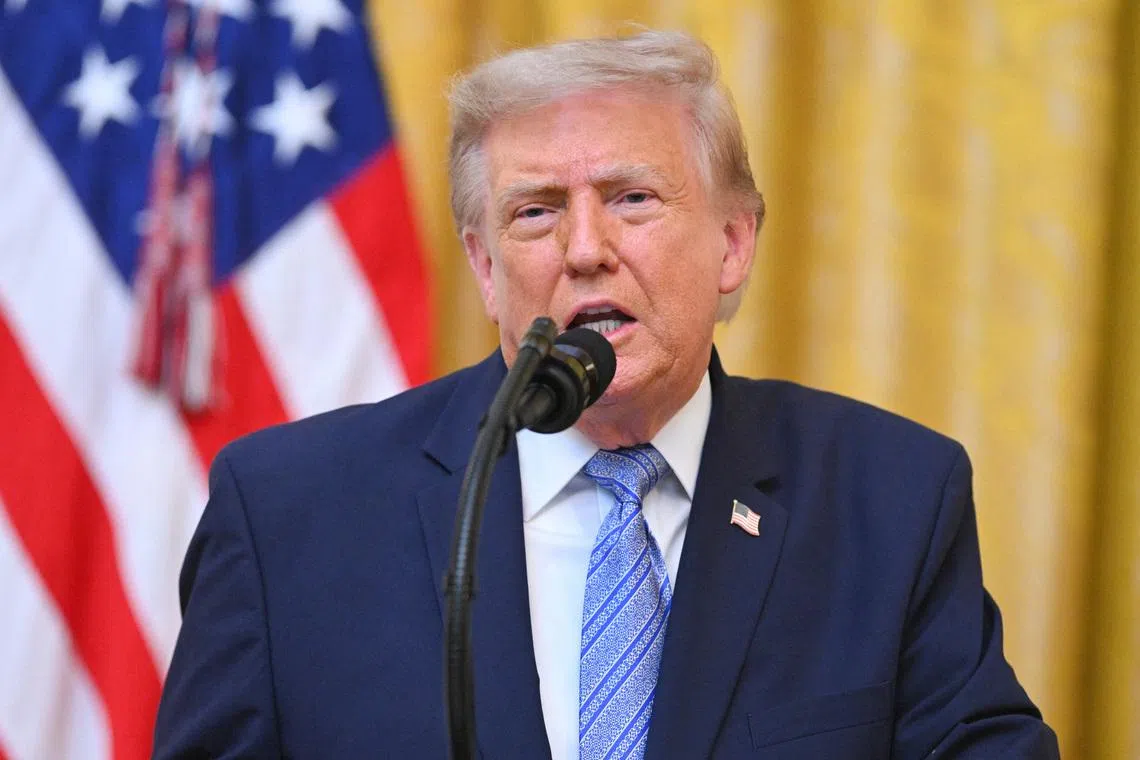
On Thursday, July 16, President Donald Trump intensified his efforts to question the integrity of U.S. elections. He declassified intelligence materials that he asserted demonstrated evidence of fraud and foreign interference in the electoral process. This action comes despite findings from U.S. intelligence agencies and various independent research studies that have previously cast doubt on several of the allegations made by Trump. The president's renewed campaign aims to undermine confidence in election outcomes by promoting claims of irregularities. These claims have been consistently challenged by factual evidence and expert analysis. The declassification move appears to be a strategic attempt to bolster his narrative, even when faced with counter-evidence. The situation highlights an ongoing tension between political rhetoric and established investigative findings regarding election security.
President Trump's declassification of intelligence related to election fraud allegations, despite contradictory findings from intelligence agencies and independent studies, presents a complex dynamic. This action can be viewed through the lens of political strategy, where the dissemination of information, regardless of its verified accuracy, serves to reinforce a particular narrative for a specific audience. The incentive structure for political actors often prioritizes maintaining voter confidence in their base, even if it requires challenging established factual consensus. From a governance perspective, the repeated questioning of electoral processes, particularly when unsupported by evidence, can erode public trust in democratic institutions. Looking ahead, the increasing accessibility of information and the speed at which narratives can spread, amplified by digital platforms, suggest that such challenges to institutional credibility may become more frequent and sophisticated, necessitating robust mechanisms for public education and verification of information.
AI-generated to prompt reflection — not editorial opinion, not advice, not a statement of fact. How this works.