Trump Decrees Limits on Foreign Military Components for US Defense Contractors
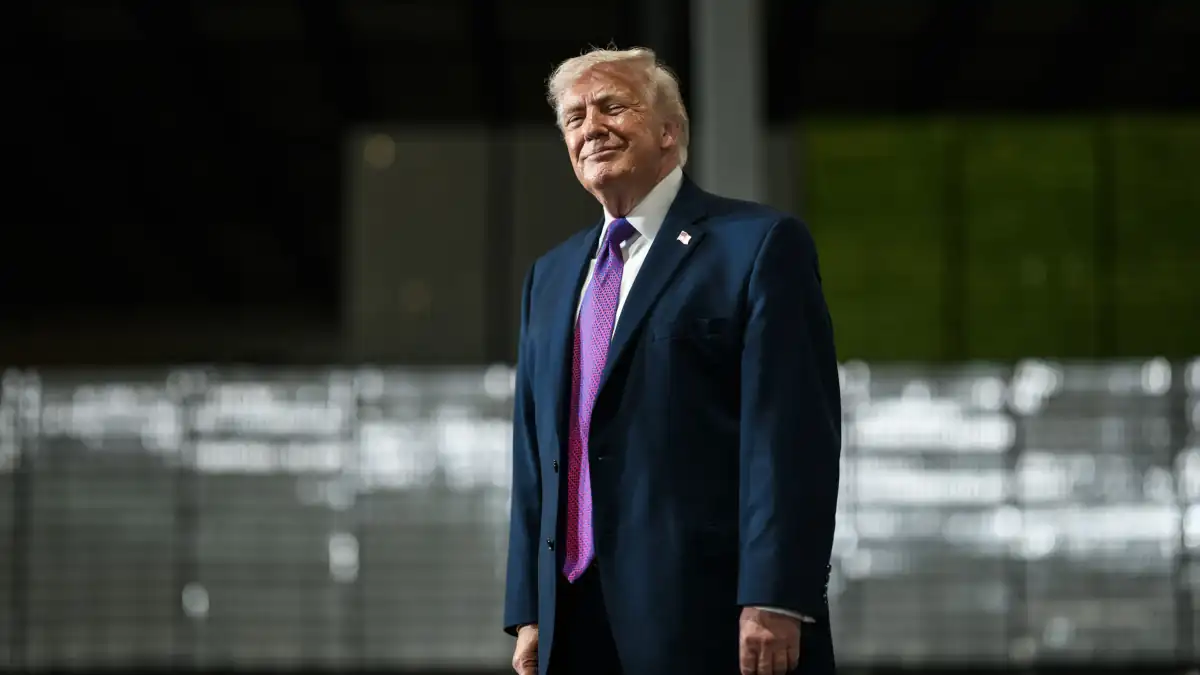
On Monday, July 20th, U.S. President Donald Trump signed an executive order aimed at reducing American defense companies' reliance on foreign military components. The new directive establishes stricter qualification standards for minerals, materials, and components used in the manufacturing of national security-related equipment. This move seeks to bolster domestic production and reduce vulnerabilities associated with dependence on international supply chains. The order specifically targets the procurement process for defense contracts, requiring contractors to prioritize domestically sourced materials. While the full implications are still unfolding, the decree signals a significant shift in U.S. defense procurement policy, emphasizing self-sufficiency and national security through domestic industrial capacity. The administration's stated goal is to ensure that critical defense systems are built with American-made parts, thereby strengthening the U.S. defense industrial base.
This executive order reflects a strategic pivot towards greater national self-reliance in defense manufacturing, driven by concerns over supply chain security and geopolitical dependencies. By imposing stricter domestic sourcing requirements, the U.S. administration aims to de-risk critical defense production from potential foreign disruptions or leverage. This policy shift, however, could introduce new cost pressures and production timelines for defense contractors, potentially impacting the overall efficiency and affordability of military equipment. The long-term success will hinge on the robustness of the domestic industrial base and its capacity to meet the stringent quality and quantity demands of national security applications, while navigating the complex global landscape of raw material sourcing and technological innovation.
AI-generated to prompt reflection — not editorial opinion, not advice, not a statement of fact. How this works.