Trump Demands Greenland, Threatens NATO Troop Withdrawal
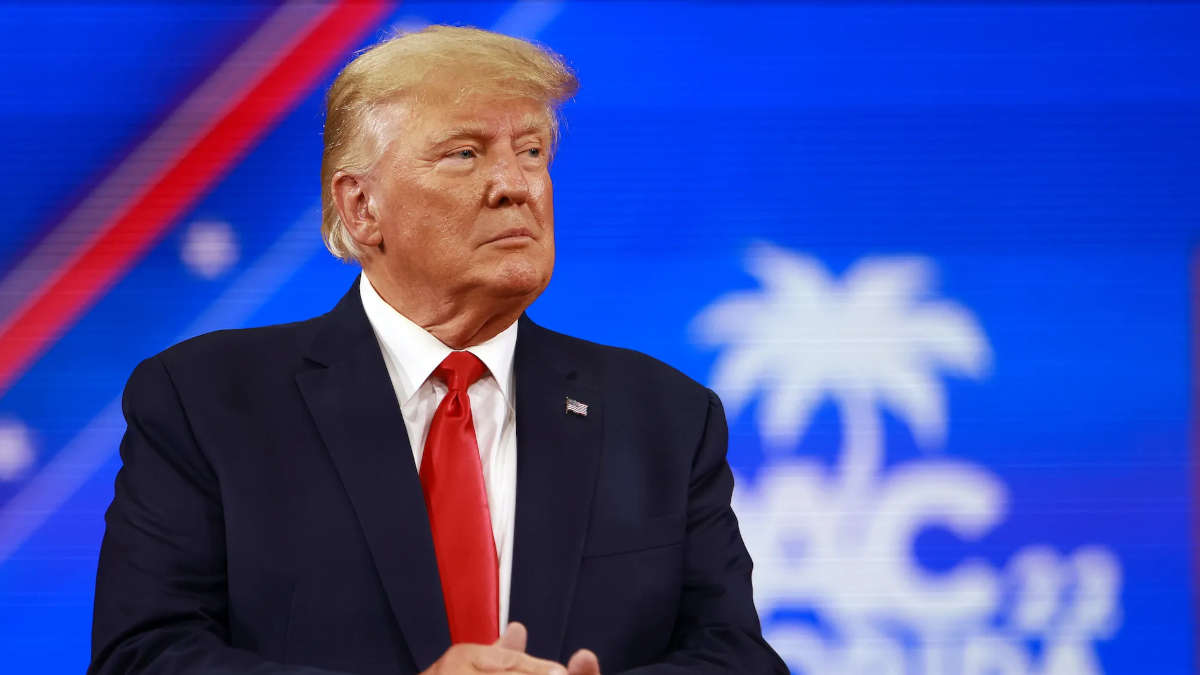
During his arrival in Ankara for a NATO summit on Tuesday, U.S. President Donald Trump reignited a contentious issue with his allies by reiterating his claim over Greenland. Trump stated that Greenland "should be controlled by the United States, not by Denmark." This demand comes a year after he had previously pushed European nations to increase their defense spending to record levels. The president's remarks suggest a potential linkage between his demands regarding Greenland and his broader stance on NATO commitments. He also alluded to the possibility of withdrawing U.S. troops from Europe if his demands are not met. This situation highlights ongoing tensions between the U.S. under Trump and its European allies regarding defense contributions and strategic interests. The U.S. president's approach signals a transactional view of international alliances, prioritizing perceived U.S. interests above traditional diplomatic norms. The implications of such demands could significantly impact transatlantic relations and European security architecture.
President Trump's assertive demands regarding Greenland and potential troop withdrawals from Europe reflect a transactional approach to international relations, prioritizing perceived U.S. strategic and economic interests. This strategy challenges established alliance structures, potentially creating instability within NATO by leveraging security commitments against territorial or resource acquisition. The long-term implications involve a re-evaluation of collective security paradigms and the potential for increased geopolitical fragmentation. Such actions may incentivize other nations to adopt similar leverage tactics, leading to a more competitive and less cooperative global order. The underlying incentive for this approach appears to be a desire to reshape international agreements to better align with a nationalist agenda, though it risks eroding the very alliances that have underpinned global stability for decades.
AI-generated to prompt reflection — not editorial opinion, not advice, not a statement of fact. How this works.